Why Are 3D Dental Design Certifications Dental Labs Should Look For 2026 Crucial?
3D dental design certifications dental labs should look for 2026 are vital for ensuring that outsourced CAD/CAM digital design services meet rigorous standards of quality, accuracy, and regulatory compliance. As dental labs and DSOs increasingly rely on digital workflows for crown & bridge, implants, surgical guides, dentures, orthodontic aligners, and night guards, certification acts as a trusted benchmark for selecting reliable partners.
These certifications guarantee that the digital design provider uses validated software, follows industry best practices, and employs skilled technicians who understand the nuances of dental anatomy and prosthetic function. Without such certifications, labs risk receiving substandard designs, leading to remakes, patient dissatisfaction, and costly delays.
What is the Importance of Industry-Recognized CAD/CAM Certifications?
Industry-recognized CAD/CAM certifications confirm that a dental lab’s digital design partner adheres to established protocols and technological standards. These certifications are often awarded by leading dental technology developers or regulatory bodies and ensure that digital files are accurate and compatible with manufacturing equipment.
For example, certifications from 3Shape or exocad confirm proficiency in widely used dental design software platforms, boosting confidence in the precision of crown, bridge, and implant designs. Such certifications also demonstrate ongoing training and adaptation to new software versions or hardware upgrades.
Which 3D Dental Design Certifications Dental Labs Should Look For 2026?
Dental labs should prioritize certifications that demonstrate competence in the following areas:
- Software Proficiency Certification: Validates expertise in major dental CAD software such as 3Shape Dental System and exocad DentalCAD.
- Digital Workflow and Data Integrity Certification: Ensures the provider manages STL files and digital impressions correctly, maintaining data accuracy during transfer and modification.
- Regulatory Compliance Certification: Confirms adherence to medical device regulations like FDA or MDR, especially for surgical guides and implant designs.
- Quality Management System Certification: ISO 13485 certification or equivalent, demonstrating strict quality controls throughout the design and manufacturing process.
How Does Digital Crown Design Work in Outsourced CAD/CAM Services?
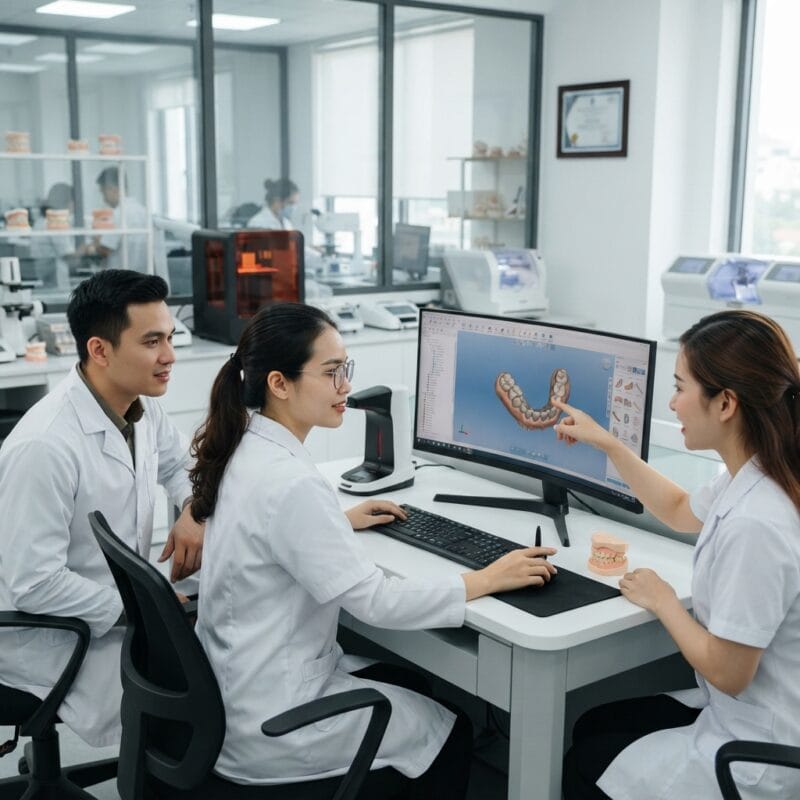
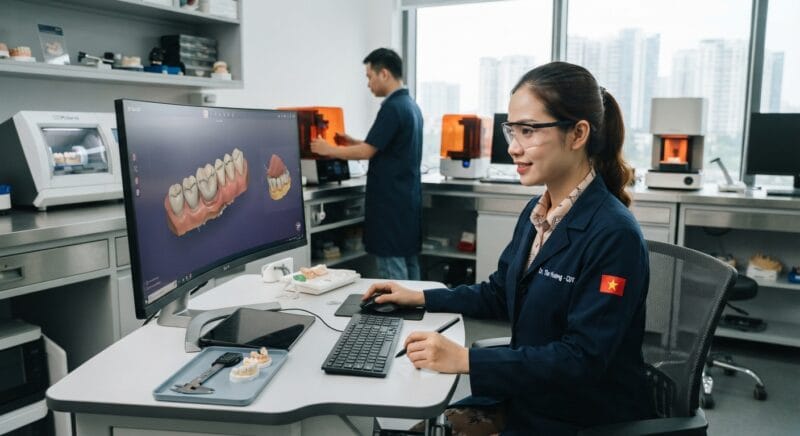
Digital crown design outsourcing involves creating precise 3D models of crowns using specialized CAD software based on digital impressions or scans. The process begins with receiving digital scans from the dental lab or DSO, followed by designing the crown anatomy, margin lines, occlusal contacts, and fit parameters in the software.
Outsourced providers with proper certifications ensure that these designs follow biomechanical principles and patient-specific requirements. These designs are then converted into manufacturing files compatible with milling machines or 3D printers. Certified digital designers also collaborate closely with the client lab to incorporate feedback and finalize designs, minimizing remakes and improving turnaround time.
What Are the Top Benefits of Hiring Certified 3D Dental Design Services?
Choosing a certified 3D dental design outsourcing service offers several advantages:
- Enhanced Accuracy: Certified designers use validated software and protocols to ensure precise fit and function.
- Regulatory Confidence: Compliance certifications reduce legal and clinical risks, especially for implant and surgical guide designs.
- Streamlined Communication: Certification processes often include standardized workflows, improving collaboration between labs and design teams.
- Access to Latest Technologies: Certified providers invest in continuous training and software upgrades to stay current with innovations.
Which Certifications Demonstrate Expertise in Implant and Surgical Guide Design?
For implant and surgical guide design, dental labs should look for certifications that specifically address the complex requirements of these prosthetics. These include:
- Implant Planning Software Certification: Credentials from companies like Nobel Biocare or Straumann that confirm proficiency in implant planning and digital guide design.
- Medical Device Compliance Certification: Since surgical guides are considered medical devices, certifications ensuring compliance with FDA 21 CFR Part 820 or EU MDR standards are critical.
- 3D Printing and Material Certification: Verification that providers use biocompatible materials and validated printing processes for surgical guides.
What Role Do Quality Management Systems Play in 3D Dental Design Certifications Dental Labs Should Look For 2026?
Quality Management Systems (QMS) such as ISO 13485 provide a framework to consistently produce high-quality digital designs by enforcing documented procedures, traceability, and corrective actions. Dental labs should confirm that their outsourcing partner operates under a certified QMS to minimize errors and maintain design reproducibility.
Providers with an ISO 13485 certification demonstrate commitment to continuous improvement and regulatory compliance, which is essential in a field where precision has direct patient impact. This certification also supports traceability in case of product recalls or adverse events.
How Can Dental Labs Verify the Authenticity of 3D Dental Design Certifications?
Verifying the authenticity of 3D dental design certifications dental labs should look for 2026 involves several steps:
- Request Certification Documentation: Always ask for copies of certificates and verify the issuing body’s credentials.
- Check Online Registries: Many certification authorities maintain searchable databases to confirm current certification status.
- Assess Training Records: Confirm that designers have completed up-to-date training programs related to their certifications.
- Review Client References: Talking to existing clients can provide insight into the provider’s adherence to certified standards in real projects.
What Are the Emerging Trends Impacting 3D Dental Design Certifications in 2026?
Emerging trends influencing 3D dental design certifications dental labs should look for 2026 include:
- Integration of AI in Design: Certifications are evolving to cover AI-powered design validation tools that enhance accuracy and speed.
- Expanded Scope of Regulatory Standards: New guidelines are being introduced to regulate digital workflows end-to-end, including data security and patient privacy.
- Cross-Platform Interoperability: Certifications now emphasize compatibility between diverse CAD software and manufacturing hardware.
- Material-Specific Certifications: Focus on certifications that address new biocompatible materials used in dentures, aligners, and night guards.
Leading software companies such as Medit are at the forefront of developing certification programs that reflect these trends, ensuring dental labs’ outsourcing partnerships remain future-proof. Incorporating these certifications into your vendor selection can significantly reduce risk and improve clinical outcomes.
How Does Outsourcing Digital Design Benefit Dental Labs and DSOs?
Outsourcing digital design to certified providers allows dental labs and DSOs to access specialized expertise without investing heavily in software licenses, hardware, and staff training. It enables scalability and flexibility to manage fluctuating case volumes, from crowns and bridges to complex implant cases and orthodontic appliances.
Certified outsourcing partners provide consistent quality, faster turnaround times, and support for multiple prosthetic types including surgical guides and night guards. This partnership model lets labs focus on manufacturing and clinical relationships while leveraging expert digital design resources.
How Should Dental Labs Choose the Right Certified 3D Dental Design Partner?
Dental labs should consider the following when selecting a certified 3D dental design outsourcing service:
- Certification Validity: Confirm that certifications are current and relevant to your specific prosthetic needs.
- Technology Compatibility: Ensure the provider’s software and file formats integrate seamlessly with your production equipment.
- Experience and Case Portfolio: Review the provider’s experience with various dental prosthetics, including complex implant and orthodontic cases.
- Turnaround Times and Support: Assess the provider’s ability to meet deadlines and provide technical support.
- Data Security Measures: Verify compliance with HIPAA and other patient data protection regulations.
What Role Do Certifications Play in Ensuring Patient Safety and Clinical Success?
Certifications in 3D dental design directly influence patient safety by ensuring designs are accurate, biocompatible, and manufactured within regulatory guidelines. For example, surgical guides designed by certified technicians reduce surgical errors and improve implant placement accuracy.
Certified digital design also supports better clinical outcomes by providing precise prosthetic fit and function, decreasing adjustment time and chairside remakes. Ultimately, these certifications help maintain the reputation and trustworthiness of dental labs and DSOs in a competitive marketplace.
Can 3D Dental Design Certifications Improve Lab Efficiency and Profitability?
Yes, 3D dental design certifications dental labs should look for 2026 contribute to operational efficiency by minimizing remakes, reducing design errors, and improving workflow predictability. Certified outsourcing partners often use automated quality checks and validated protocols that streamline the design-to-manufacture process.
These efficiencies translate into faster case completion, higher patient satisfaction, and increased profitability. Dental labs can also market their partnership with certified design providers as a value-added service, attracting new clients and reinforcing trust with existing ones.
For dental labs and DSOs aiming to stay competitive, understanding and prioritizing 3D dental design certifications dental labs should look for 2026 is essential. From software proficiency to regulatory compliance, these certifications safeguard quality and clinical success in the evolving digital dentistry landscape.
Our company offers fully certified CAD/CAM digital design outsourcing tailored to your lab’s unique needs, ensuring precision and compliance across all prosthetic types. Contact us today to learn how our certified design services can enhance your lab’s capabilities and patient outcomes.