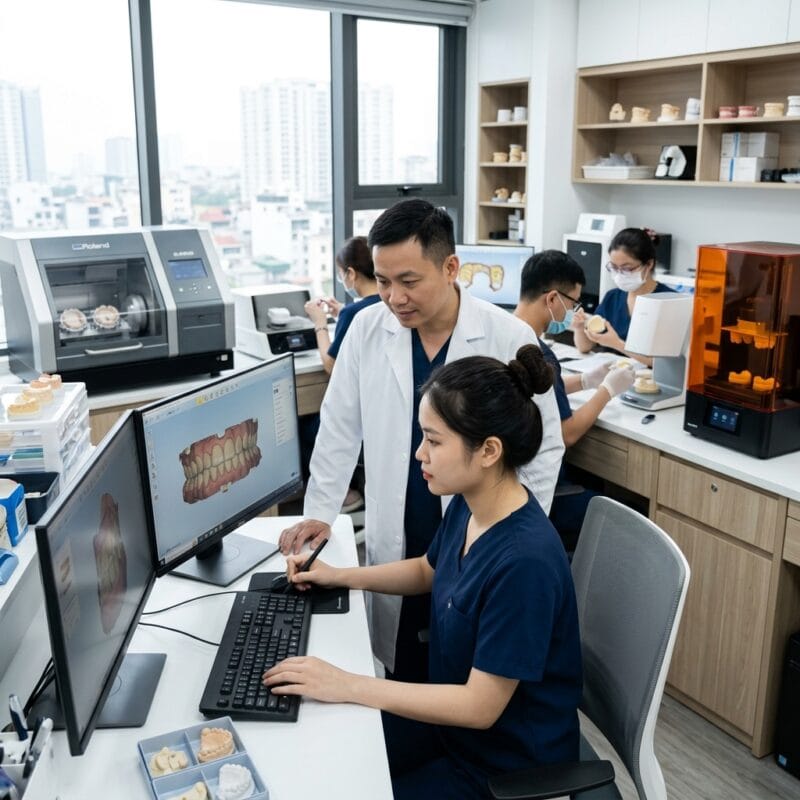
The Growing Crisis in Dental Lab Staffing
The dental industry is currently facing an unprecedented challenge that threatens to disrupt patient care and operational efficiency across the globe. As we approach the middle of the decade, the demand for high-quality restorative work continues to climb, yet the workforce required to produce these items is shrinking rapidly. This discrepancy has created a severe bottleneck in production timelines, forcing many laboratories to turn away cases or extend delivery windows significantly. Understanding the root causes of this issue is the first step toward implementing effective dental lab technician shortage solutions 2026.
Traditionally, dental laboratories have relied heavily on skilled technicians who undergo years of specialized training to master the art and science of prosthetic fabrication. However, the pool of new entrants into this field has diminished due to changing career preferences and the perception of manual lab work as less desirable compared to digital roles. This demographic shift means that existing senior technicians are retiring without adequate replacement, leaving a vacuum in expertise and capacity. Without immediate intervention, this trend will only accelerate, making dental lab technician shortage solutions 2026 a top priority for business continuity.
For dental practices and Dental Service Organizations (DSOs), the implications of this shortage are profound. When a lab cannot fulfill orders on time, the downstream effect is delayed patient treatment, which can lead to dissatisfaction and loss of trust in the provider. Furthermore, the pressure on remaining staff often leads to burnout, increasing turnover rates and exacerbating the staffing crisis. It is clear that relying solely on traditional hiring methods is no longer a viable strategy for scaling operations or maintaining quality standards in this evolving landscape.
To combat these challenges, industry leaders are looking toward innovative approaches that leverage technology and external partnerships. By shifting focus from internal hiring to strategic outsourcing, labs can bypass the limitations of the local talent market. This approach allows them to access a global pool of skilled designers and technicians who are already equipped with the latest digital tools. Implementing robust dental lab technician shortage solutions 2026 requires a fundamental shift in how laboratories view their production capabilities and supply chain management.
The financial impact of this shortage cannot be overlooked either. Labs that struggle to meet demand often incur overtime costs or have to invest heavily in recruitment efforts that yield low returns. Additionally, the risk of errors increases when overworked staff are forced to rush through cases, leading to remakes and lost revenue. These economic pressures make it essential for decision-makers to explore alternatives that offer stability and scalability. Adopting modern dental lab technician shortage solutions 2026 can help stabilize costs and ensure consistent cash flow despite market fluctuations.
Moreover, the quality of restorative work is directly tied to the expertise and time available to the technician. When staff are stretched too thin, the attention to detail required for complex cases may suffer. This is particularly critical for aesthetic zones where patient expectations are highest. By utilizing external design services, laboratories can ensure that every case receives the focused attention it needs without overburdening internal teams. This balance is key to sustaining high-quality outcomes while addressing the broader issue of labor scarcity.
As we move forward, the integration of artificial intelligence and automated design tools will play a significant role in augmenting human capabilities. These technologies can handle routine tasks, allowing skilled technicians to focus on more complex and value-added aspects of the workflow. However, technology alone is not a silver bullet; it must be part of a broader strategy that includes workforce management and external collaboration. The most successful organizations will be those that combine internal innovation with external support to create resilient operational models.
In summary, the current staffing crisis is a multifaceted problem that requires a comprehensive response. It is not just about filling empty seats but about reimagining the entire production process to be more efficient and adaptable. By embracing new paradigms, the industry can overcome these hurdles and continue to serve patients effectively. The path forward involves a commitment to change and a willingness to adopt proven dental lab technician shortage solutions 2026 that have already shown success in similar contexts.
How does outsourcing solve the dental lab technician shortage solutions 2026?
Outsourcing solves the dental lab technician shortage solutions 2026 by providing immediate access to a global network of skilled digital designers who can handle high volumes of work without the overhead of local hiring.
This model allows laboratories to scale their production up or down based on demand without being constrained by local labor market conditions. When a lab partners with a specialized outsourcing provider, they effectively expand their capacity overnight, ensuring that no case is delayed due to staffing gaps. This flexibility is crucial for managing seasonal spikes in volume or unexpected surges in case complexity. By leveraging external expertise, labs can maintain their service levels and delivery promises even when internal resources are stretched thin.
One of the primary benefits of this approach is the ability to access specialized skills that may not be available locally. For instance, complex implant cases or full-arch restorations require specific design knowledge that takes years to develop. An outsourcing partner often employs a diverse team of experts who focus exclusively on these high-value areas. This specialization ensures that every case is handled by someone with the right expertise, reducing the risk of errors and remakes. In the context of dental lab technician shortage solutions 2026, this targeted access to talent is invaluable.
Furthermore, outsourcing reduces the administrative burden associated with recruitment and training. Hiring a new technician involves significant time and financial investment, from posting job ads to onboarding and mentoring. By contrast, partnering with an external provider shifts these responsibilities to the vendor, who manages their own workforce and quality control. This allows lab owners to focus on core business activities such as client relations and strategic growth rather than human resource management. It streamlines operations and makes the business more agile in a competitive market.
Cost efficiency is another major driver for adopting dental lab technician shortage solutions 2026 through outsourcing. Maintaining an in-house team involves fixed costs such as salaries, benefits, software licenses, and equipment maintenance. Outsourcing converts these fixed costs into variable costs, meaning you only pay for the work that is actually produced. This financial flexibility is particularly beneficial for smaller labs or those experiencing growth phases where capital is needed for other investments. It also mitigates the risk of overstaffing during slower periods, protecting the bottom line.
Technology integration is seamless with modern outsourcing providers who use compatible CAD/CAM systems and communication platforms. This ensures that files are transferred securely and efficiently, minimizing the risk of data loss or formatting errors. The use of cloud-based collaboration tools allows for real-time feedback and adjustments, keeping the workflow smooth and transparent. When selecting a partner, it is important to verify their technical capabilities and ensure they align with your internal standards. This technical alignment is a critical component of successful dental lab technician shortage solutions 2026.
Quality assurance is often enhanced rather than diminished through outsourcing. Reputable providers have rigorous quality control processes in place to ensure every design meets strict clinical standards. They often employ multiple layers of review, including peer checks and final approvals by senior designers. This systematic approach can sometimes result in higher consistency than what is achievable with a single internal technician managing multiple tasks. For labs concerned about maintaining their reputation, this level of oversight provides peace of mind.
Finally, outsourcing supports the long-term sustainability of the dental lab business by allowing it to adapt to future trends. As the industry moves further into the digital realm, the need for traditional manual skills may decrease while the demand for digital design expertise grows. By partnering with a forward-thinking outsourcing provider, labs can stay ahead of these technological shifts without having to invest heavily in new training programs internally. This strategic alignment ensures that the business remains competitive and relevant in the coming years.
What are the best dental lab technician shortage solutions 2026 for DSOs?
The best dental lab technician shortage solutions 2026 for DSOs involve centralized digital design hubs that standardize workflows across multiple practices to maximize efficiency and reduce dependency on local technicians.
Dental Service Organizations face unique challenges because they operate multiple locations with varying case volumes and technical requirements. A centralized approach allows them to consolidate design work into a single, highly efficient unit that serves all affiliated practices. This consolidation reduces the need for redundant staffing at each location and creates economies of scale that lower overall costs. It also ensures that every practice adheres to the same quality standards and design protocols, which is essential for brand consistency.
By implementing a unified digital workflow, DSOs can streamline the process from scan to design to milling. This integration reduces the time spent on manual handoffs and minimizes the potential for errors at each step. When all practices use the same software and file formats, the learning curve for new staff is reduced, and communication becomes more straightforward. This standardization is a powerful tool for managing the complexities of a multi-location operation while addressing the broader issue of labor scarcity.
DSOs can also leverage their size to negotiate better terms with outsourcing partners, securing priority service and favorable pricing. This bargaining power ensures that even during peak periods, their cases are processed without delay. It also allows them to demand higher levels of customization and integration with their internal practice management systems. For large organizations, these advantages make outsourcing a more attractive option compared to trying to build a massive in-house team. It aligns well with the strategic goals of dental lab technician shortage solutions 2026.
Another benefit is the ability to implement advanced analytics and reporting across the entire network. With a centralized design hub, DSOs can track key performance indicators such as turnaround time, remake rates, and design accuracy for each practice. This data-driven approach helps identify bottlenecks and areas for improvement, enabling targeted interventions. It also provides insights into case complexity and resource allocation, helping to optimize staffing and production schedules. Such visibility is crucial for making informed decisions about operational improvements.
Training and development become more manageable when focused on a central team rather than scattered across multiple locations. DSOs can invest in high-quality training programs for their design staff, ensuring they are up-to-date with the latest techniques and software updates. This investment in human capital enhances the overall quality of work and boosts employee retention. It also creates a culture of continuous improvement that benefits the entire organization. This focus on education is a key element of sustainable dental lab technician shortage solutions 2026.
Additionally, centralized outsourcing allows DSOs to focus their internal resources on patient care and practice management. By offloading the technical design work, dentists and office staff can dedicate more time to clinical tasks and patient interactions. This shift improves the overall patient experience and can lead to higher satisfaction rates. It also reduces the stress on clinical staff who might otherwise be involved in technical coordination. The result is a more efficient and patient-centered practice model.
Scalability is perhaps the most significant advantage for DSOs looking to expand. When adding new practices to the network, they do not need to hire and train new lab staff for each location. Instead, the centralized design hub can absorb the additional volume seamlessly. This makes growth faster and less risky, as the operational infrastructure is already in place to support it. It also allows for rapid deployment of new technologies across the network without disrupting local workflows. This agility is essential for staying competitive in a rapidly evolving industry.
In conclusion, DSOs are uniquely positioned to benefit from strategic outsourcing and digital centralization. By adopting these dental lab technician shortage solutions 2026, they can overcome labor constraints while improving quality and efficiency across their network. The key is to choose partners who understand the specific needs of large organizations and can provide the necessary support and integration.
Maximizing Efficiency with Digital Workflows
To fully leverage dental lab technician shortage solutions 2026, laboratories must optimize their digital workflows to ensure seamless collaboration between internal teams and external partners.
This involves standardizing file formats and communication protocols to minimize friction during the handoff process. When files are prepared correctly from the start, it reduces the need for back-and-forth communication and accelerates the design phase. Investing in high-quality intraoral scanners and software that integrates well with design partners is a critical step. This technical readiness ensures that the digital chain remains unbroken, allowing for faster turnaround times and fewer errors.
Effective communication channels are also vital for maintaining quality and meeting deadlines. Regular check-ins and clear feedback loops help ensure that the design team understands the specific requirements of each case. Utilizing project management tools can help track the status of cases and alert teams to any potential delays. This transparency builds trust between the lab and the outsourcing provider, fostering a collaborative relationship. Clear communication is a foundational aspect of successful dental lab technician shortage solutions 2026.
Continuous improvement should be a priority for any lab looking to maximize efficiency. Regularly reviewing processes and seeking feedback from both internal staff and external partners can reveal opportunities for optimization. This might involve adopting new software features, adjusting workflows, or refining quality control checks. By committing to ongoing refinement, labs can stay ahead of the curve and adapt to changing industry standards. This proactive approach ensures that the business remains resilient in the face of external challenges.
Training staff to work effectively with digital tools is another essential component of this strategy. Even with outsourcing, internal teams need to understand the basics of digital design to communicate effectively and manage the workflow. Workshops and certification programs can help bridge the gap between traditional skills and modern digital requirements. This investment in employee development not only improves productivity but also boosts morale and job satisfaction. Skilled staff are better equipped to identify and solve problems as they arise.
Finally, keeping up with the latest technological advancements is crucial for maintaining a competitive edge. The dental industry is evolving rapidly, with new materials and techniques emerging regularly. Labs that stay informed and adapt their workflows accordingly will be better positioned to meet patient needs. This might involve exploring new design software, testing new materials, or adopting AI-driven tools. Staying current is a key part of long-term planning and aligns with the goals of dental lab technician shortage solutions 2026.
By focusing on these areas, laboratories can create a robust and efficient operation that is capable of handling high volumes of work with precision. The combination of skilled external partners and optimized internal processes creates a powerful synergy that drives success. This holistic approach ensures that every aspect of the workflow contributes to the overall quality and speed of service. It is the most effective way to navigate the current labor market challenges.
As the industry continues to evolve, the importance of these strategies will only grow. Labs that invest in their digital infrastructure and workforce development today will be well-prepared for the future. They will be able to deliver high-quality results consistently, regardless of external pressures. This reliability is what builds long-term relationships with dental practices and patients alike. Ultimately, the goal is to create a sustainable model that thrives in any economic environment.
For those looking to implement these changes, starting with a clear assessment of current capabilities is recommended. Identify areas where bottlenecks occur and where external support could provide the most value. Then, develop a roadmap for integrating these solutions into the existing workflow. This step-by-step approach ensures that changes are manageable and effective. It also allows for adjustments based on real-world results and feedback. This methodical planning is essential for achieving lasting success.
In the end, the path to overcoming the technician shortage lies in innovation and collaboration. By embracing digital technologies and strategic partnerships, laboratories can turn a challenge into an opportunity. This transformation not only solves immediate staffing issues but also positions the business for future growth. It is a forward-thinking approach that aligns with the needs of modern dental care. The benefits extend far beyond just filling a gap; they enhance the entire value proposition of the lab.
Ultimately, the most successful labs will be those that view outsourcing not as a temporary fix but as a core component of their business model. This mindset shift allows for more strategic planning and resource allocation. It encourages a culture of flexibility and adaptation that is essential in today’s market. By integrating these practices, labs can ensure they remain relevant and competitive. This is the true essence of effective dental lab technician shortage solutions 2026.
For more information on industry standards and best practices, you can visit the American Dental Association at https://www.ada.org to stay informed on regulatory updates. Additionally, exploring the capabilities of leading design software providers like https://www.3shape.com can help you understand the tools driving this transformation.
When considering your next steps, remember that the right partner can make a significant difference in your operational success. Look for providers who offer digital crown design expertise and can integrate seamlessly with your existing systems. This ensures that your workflow remains smooth and efficient. By taking these actions, you are positioning your lab for sustained growth and reliability in a challenging market.
Contact us today to discuss how our digital design services can help you overcome labor shortages. Let’s build a scalable solution for your lab together.