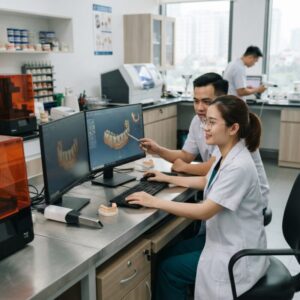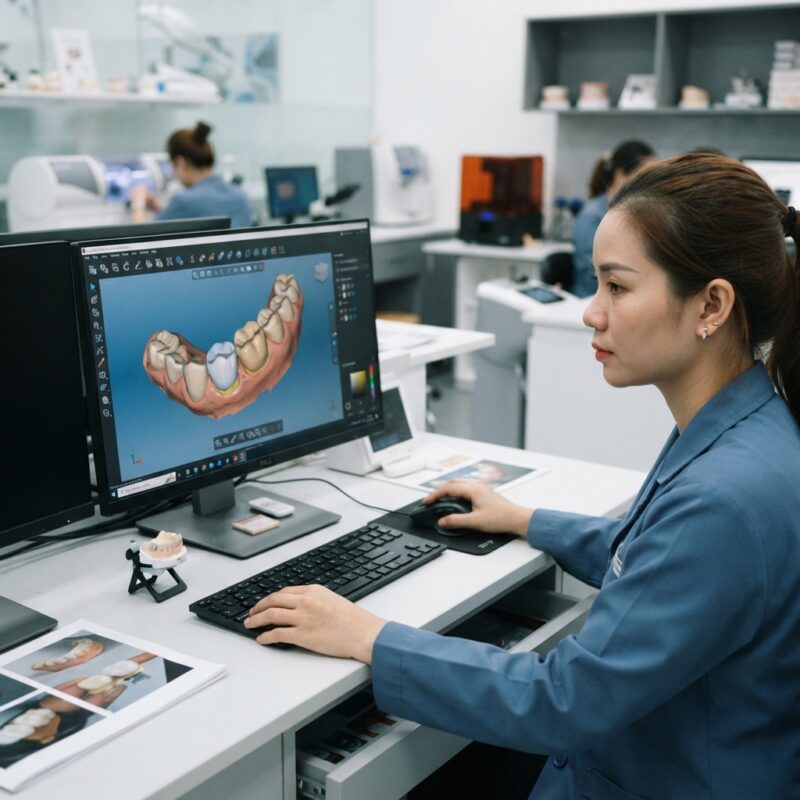
Introduction to Photography and Records That Help a Design Lab Deliver Better Crowns 2026
In the evolving landscape of dental prosthetics, photography and records that help a design lab deliver better crowns 2026 have become indispensable. With the rise of CAD/CAM digital design outsourcing, accurate and comprehensive documentation is the cornerstone for delivering crowns that meet the highest standards of fit, function, and aesthetics. This article delves into why these elements matter more than ever for dental labs and DSOs outsourcing digital design, covering best practices, technological tools, and the impact on clinical outcomes.
Why Are Photography and Records Critical in Modern Crown Design?
Photography and records are critical in modern crown design because they provide the precise visual and clinical information necessary for accurate digital modeling and fabrication.
High-quality photographic data, combined with detailed patient records—including impressions, bite registrations, and clinical notes—enable design labs to replicate the patient’s dentition with exceptional precision. The use of consistent, standardized photographic protocols helps eliminate guesswork and reduces remakes by ensuring the dental technician understands color matching, occlusion, and anatomical nuances.
Further, comprehensive records facilitate communication between the dentist, lab, and patient, fostering a collaborative workflow that promotes superior outcomes. For 2026, this integration is fundamental as digital technologies continue to refine the expectations for crown accuracy and esthetics.
What Types of Photography and Records Are Most Helpful for Design Labs?
The types of photography and records most helpful for design labs include intraoral photos, extraoral face shots, shade guides, bite registrations, and detailed clinical notes.
Intraoral photographs capture the detailed morphology of teeth and gingiva, which is essential for designing crowns that blend seamlessly with adjacent teeth. Extraoral photography aids in assessing lip dynamics and smile line, critical for esthetic zones. Shade guides and color-matching records provide the necessary information for accurate crown coloration.
Bite registrations, whether digital or physical, ensure correct occlusal relationships, while clinical notes offer context about patient preferences, allergies, or special considerations. Together, these data sets form the backbone of digital design accuracy and are pivotal in an outsourcing context where labs rely heavily on this information remotely.
How Does Digital Photography Enhance the CAD/CAM Design Process?
Digital photography enhances the CAD/CAM design process by providing high-resolution, color-accurate images that can be directly integrated into digital workflows.
These images allow design technicians to visualize the patient’s dentition in three dimensions, facilitating detailed virtual wax-ups and margin delineation. Advanced software platforms from leaders like 3Shape and exocad support importing photographic files to overlay with scan data, improving the fidelity of the design.
Moreover, digital photography enables remote consultations between dentists and lab technicians, which increases efficiency and reduces turnaround times. In 2026, as digital integration advances, the synergy between photography and CAD/CAM systems will be even more critical for delivering crowns that meet exacting clinical expectations.
What Are the Best Practices for Capturing Photography and Records That Help a Design Lab Deliver Better Crowns 2026?
The best practices for capturing photography and records that help a design lab deliver better crowns 2026 include standardization, proper lighting, consistent angles, and thorough documentation.
Standardizing photo protocols ensures that images are comparable and usable across multiple cases and technicians. Utilizing ring flashes or diffused lighting reduces shadows and highlights true tooth color. Photographs should be taken from multiple angles: frontal, lateral, occlusal, and close-up views of margins.
Records must be meticulously labeled and include detailed clinical notes about the patient’s occlusion, soft tissue condition, and any contraindications. Digital bite scans and impressions should be taken with calibrated intraoral scanners to enhance accuracy. Implementing these practices improves communication and reduces errors in the outsourced design process.
How Do Photographic Records Impact Color Matching in Crown Fabrication?
Photographic records impact color matching in crown fabrication by providing a realistic and reproducible reference for shade selection and layering techniques.
Natural tooth color varies with lighting and angle, so photographs taken with standardized lighting and calibrated cameras help technicians evaluate translucency, hue, and chroma accurately. Shade tabs photographed alongside the teeth provide a direct comparison.
For complex esthetic cases, multi-layered photography capturing the tooth under different light sources (e.g., daylight, incandescent) assists in creating crowns that mimic natural enamel. This level of detail is essential in outsourced digital design workflows to ensure the final crown matches patient expectations and clinical requirements.
What Role Do Patient Records Play in Designing Crowns for Implants and Surgical Guides?
Patient records play a crucial role in designing crowns for implants and surgical guides by providing anatomical, positional, and clinical context essential for precise digital modeling.
For implant crowns, records must include CBCT scans, implant placement details, and soft tissue profiles to ensure proper emergence profile and occlusal integration. Surgical guides require accurate bone mapping and positional data to guide implant placement accurately.
Detailed photographic documentation complements these records by showing the soft tissue contours and esthetic zones, allowing labs to design crowns that integrate seamlessly both functionally and visually. Outsourcing design labs rely on these comprehensive records to create surgical guides and implant restorations that meet exact surgical and prosthetic standards.
What Technologies Support Effective Photography and Records Management in Dental Labs?
Technologies supporting effective photography and records management in dental labs include intraoral scanners, digital cameras with macro lenses, cloud-based record systems, and integrated CAD/CAM software platforms.
Intraoral scanners capture 3D digital impressions with high precision, reducing the need for physical models. High-quality DSLR or mirrorless cameras with macro lenses provide detailed photographic documentation of teeth and soft tissues.
Cloud-based record management allows seamless sharing of images and notes between dentists, labs, and technicians, enhancing collaboration and reducing turnaround times. Software suites like those from Dentsply Sirona and 3Shape integrate photographic data, scans, and patient records into unified workflows to optimize crown design accuracy.
How Can Outsourcing Dental CAD/CAM Design Benefit from Enhanced Photography and Records?
Outsourcing dental CAD/CAM design benefits from enhanced photography and records by enabling remote technicians to produce highly accurate, esthetic, and functional crowns without direct patient contact.
Complete and precise photographic and clinical documentation reduces ambiguity and the need for physical remakes, which often delay case completion. Outsourced design labs can interpret detailed images and records to customize crowns according to patient-specific anatomy and esthetic demands.
This process not only improves turnaround time but also allows dental practices and DSOs to scale efficiently while maintaining quality. As the demand for digital crown design outsourcing grows in 2026, the quality of incoming photography and records will be a key differentiator for lab partners.
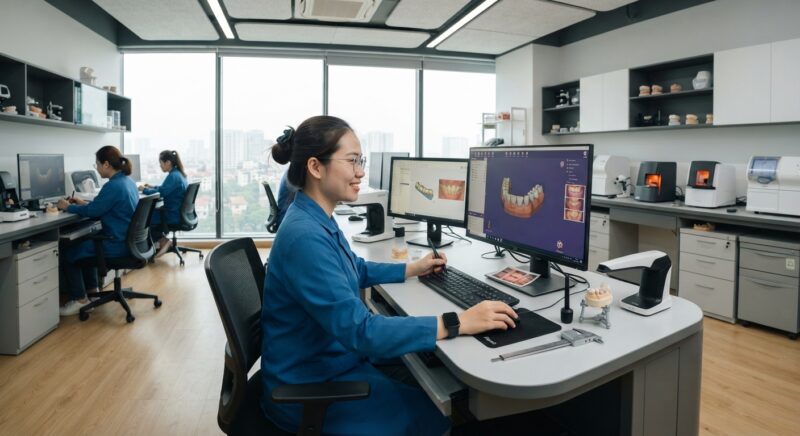
What Challenges Exist in Capturing Photography and Records That Help a Design Lab Deliver Better Crowns 2026?
Challenges in capturing photography and records that help a design lab deliver better crowns 2026 include operator variability, inconsistent lighting, patient compliance, and data management complexities.
Operator skill impacts photo quality; inconsistent techniques can lead to unusable or misleading images. Variations in lighting conditions alter color accuracy, while patient movement or discomfort can limit comprehensive documentation.
Moreover, managing large volumes of digital files securely and ensuring compatibility across software platforms require robust IT infrastructure and standardized protocols. Overcoming these challenges demands training, investment in technology, and adoption of industry best practices to ensure that records consistently support superior crown design outcomes.
How Does Photography Support Communication Between Dental Labs and Clinicians?
Photography supports communication between dental labs and clinicians by providing a clear, visual language that bridges clinical and technical perspectives.
High-quality images allow dental technicians to understand the clinical environment, soft tissue conditions, and esthetic goals without direct patient interaction. Photographs clarify ambiguous instructions and reduce reliance on verbal descriptions alone.
This visual documentation facilitates case discussions, revision requests, and approvals remotely, enhancing efficiency and reducing errors. Enhanced photography and records that help a design lab deliver better crowns 2026 thus serve as a vital communication tool in the outsourced digital design workflow, strengthening collaboration and satisfaction for all parties involved.
What Trends Will Shape Photography and Records in Digital Crown Design by 2026?
Trends shaping photography and records in digital crown design by 2026 include AI-assisted imaging analysis, integration of 3D facial scans, and augmented reality (AR) communication tools.
Artificial intelligence will increasingly analyze photographic and scan data for margin detection, color matching, and occlusal analysis, reducing manual labor and increasing precision. 3D facial scanning will provide dynamic records of patient expressions and smile lines, informing more natural crown designs.
AR tools may enable real-time visualization of proposed restorations superimposed on patient photos during consultations. These technological advancements will elevate the importance of detailed, standardized photography and records as foundational data for sophisticated digital workflows in outsourced crown design services.
Conclusion: The Future of Photography and Records That Help a Design Lab Deliver Better Crowns 2026
As dental technology advances, the role of photography and records that help a design lab deliver better crowns 2026 becomes increasingly pivotal. These elements underpin the digital design and manufacturing process, ensuring crowns are precise, esthetic, and functional. Dental labs and DSOs that prioritize comprehensive, high-quality photographic documentation and detailed clinical records will enjoy improved outcomes, faster turnaround, and higher patient satisfaction.
By integrating cutting-edge imaging technologies and adhering to best practices, outsourcing partners can deliver superior crowns that meet the demands of modern dentistry. This focus on quality data will remain a cornerstone of successful digital crown fabrication strategies moving forward.
Contact Us for Expert Dental CAD/CAM Design Outsourcing
Step-by-Step Guide to Creating a Comprehensive Photography and Records Protocol
Establishing a standardized protocol for capturing photography and records is essential for dental labs and practices aiming to deliver consistently high-quality crowns. Below is a detailed step-by-step guide to help dental teams implement an effective documentation process that ensures clarity, accuracy, and efficiency throughout the crown fabrication workflow.
Step 1: Pre-Appointment Preparation
- Patient Briefing: Inform patients about the photography session to ensure cooperation and reduce movement during image capture.
- Equipment Check: Verify that cameras, lighting, cheek retractors, and mirrors are clean, functional, and ready to use.
- Calibration: Calibrate cameras and color guides to maintain consistency in color reproduction across cases.
Step 2: Capturing Intraoral and Extraoral Photographs
- Intraoral Shots: Capture multiple angles including occlusal, buccal, lingual, and close-ups of the prepared tooth with shade tabs in place.
- Extraoral Shots: Take full-face and profile photographs to assess esthetic parameters like midline, smile line, and lip dynamics.
- Lighting and Focus: Use ring flashes or dual-point lighting to minimize shadows and glare; ensure sharp focus on critical areas.
Step 3: Record Taking and Labeling
- Digital Records: Save photographs in standardized formats (e.g., JPEG, TIFF) with clear, descriptive file names referencing patient ID and date.
- Patient Notes: Record clinical observations, shade selection rationale, and any specific instructions for the lab.
- Data Backup: Store copies on secure servers or cloud storage designed for healthcare data to prevent loss.
Step 4: Transmission to the Dental Lab
- File Sharing: Use HIPAA-compliant platforms for secure transfer of images and records.
- Communication: Pair photographic data with detailed lab prescriptions and preferred materials or techniques.
- Follow-Up: Establish a point of contact within the lab for any clarifications or additional information requests.
Step 5: Lab Verification and Feedback
- Initial Review: Lab technicians assess incoming records for completeness and quality.
- Queries: Promptly communicate with the clinician if images are unclear or additional photos are needed.
- Feedback Loop: Provide feedback on case outcomes to refine the photographic protocol continuously.
Common Mistakes in Photography and Records That Can Compromise Crown Quality
Understanding frequent errors in capturing and managing photographic records can prevent costly remakes and improve turnaround times. Below is a checklist of common pitfalls and practical advice on how to avoid them.
- Poor Lighting: Using ambient or inconsistent lighting leads to inaccurate shade matching and obscured details. Always use standardized lighting setups or ring flashes.
- Incomplete Angles: Failing to capture all necessary perspectives, such as occlusal views or pre-preparation images, hampers the lab’s ability to design an appropriate crown contour and fit.
- Unlabeled or Misnamed Files: Vague file names create confusion and delay case processing. Implement a consistent naming convention that includes patient ID, date, and image type.
- Ignoring Soft Tissue Details: Neglecting to document gingival contours and color can result in crowns that do not blend naturally with surrounding tissues.
- Insufficient Shade Documentation: Relying solely on verbal shade descriptions without photographic backup often leads to mismatched crowns. Include high-quality photos with shade guides in the frame.
- Overlooking Patient-Specific Factors: Not recording patient preferences, allergies, or occlusal scheme can cause materials or designs that are unsuitable, leading to patient dissatisfaction.
- Failure to Update Records: Using outdated or incomplete patient records can cause miscommunication and errors; always verify that the latest clinical data accompanies the case.
Cost and Quality Considerations When Implementing Advanced Photography and Records Systems
Investing in photography and records technology is pivotal for enhancing crown fabrication quality, but it requires balancing financial outlay with expected returns. Here’s an in-depth analysis of cost and quality factors to consider when upgrading your documentation workflow.
Initial Investment in Equipment and Training
High-quality DSLR cameras, specialized intraoral lenses, ring flashes, and retractors can range from $2,000 to over $10,000 depending on brand and specifications. Additionally, dental teams must budget for training sessions to ensure staff are proficient in photography techniques and record management software.
Software and Data Management Expenses
Implementing digital asset management systems or cloud-based platforms designed for dental practices may involve subscription fees or licensing costs. However, these solutions significantly reduce errors, improve accessibility, and streamline communication with labs.
Impact on Quality and Efficiency
- Improved Crown Accuracy: Better photographic records lead to more precise shade matching and anatomical replication, reducing remakes and adjustments.
- Faster Turnaround Times: Clear, comprehensive documentation minimizes the need for back-and-forth clarifications, accelerating case completion.
- Higher Patient Satisfaction: Crowns that match patients’ expectations and aesthetics result in better reviews, referrals, and retention.
Long-Term ROI Considerations
While the upfront cost may be significant, practices and labs often see a return on investment through reduced material waste, fewer remakes, and enhanced reputation. Additionally, digital records facilitate easier case tracking and quality audits, contributing to continuous improvement and regulatory compliance.
Market-Specific Considerations for Dental Labs and Practices Across Different Regions
Photographic and record-keeping standards vary globally due to differences in clinical protocols, technology access, and patient expectations. Understanding these regional nuances can help labs and practices tailor their documentation strategies effectively.
North America: Emphasis on Compliance and HIPAA Security
In the U.S. and Canada, stringent patient privacy laws require secure handling and transmission of photographic records. Labs and practices must ensure all digital systems comply with HIPAA or equivalent regulations. Moreover, patient esthetic demands are high, necessitating highly detailed and accurate photographic documentation.
Europe: Integration with Advanced CAD/CAM Technologies
European markets often have early adoption of integrated digital workflows combining intraoral scanners with photographic records. Labs may expect color-calibrated images aligned with digital impressions for seamless crown design. Additionally, GDPR compliance governs data privacy and storage.
Asia-Pacific: Rapid Growth and Diverse Technology Adoption
The Asia-Pacific region is experiencing rapid growth in digital dentistry, with varying levels of technology adoption depending on urban versus rural settings. Labs working with practices in this region should be flexible, offering both traditional photographic methods and digital alternatives to accommodate diverse client needs.
Latin America and Middle East: Cost Sensitivity and Training Needs
In emerging markets, cost considerations often limit investment in high-end photographic equipment. Labs and practices benefit from scalable, cost-effective solutions such as smartphone photography with standardized protocols. Emphasis on training is critical to ensure quality within budget constraints.
Tailoring Solutions for Multi-Location DSOs
Dental Service Organizations (DSOs) with multiple locations face unique challenges in standardizing photography and record-taking practices. Centralized training modules, uniform equipment procurement, and cloud-based record sharing platforms help maintain consistency across locations and improve lab communication efficiency.
Ready to enhance your crown delivery with superior photography and records? Contact us today to learn how our CAD/CAM design outsourcing services can support your lab’s success.