
Introduction to Dental Lab Material Costs Comparison 2026
Understanding the dental lab material costs comparison 2026 is critical for dental labs and DSOs striving to balance quality, efficiency, and profitability. With the rapid evolution of CAD/CAM technology and expanding material options, cost structures are shifting across crown & bridge, implant restorations, surgical guides, dentures, orthodontic aligners, and night guards. Labs and dental service organizations must be well informed about these changes to select the most cost-effective solutions for their workflows.
This comprehensive guide provides a detailed analysis of the current and projected pricing landscape in 2026, highlights material pros and cons, and offers practical advice on integrating these materials into digital manufacturing processes.
What Are the Main Factors Influencing Dental Lab Material Costs in 2026?
Material costs in dental labs are influenced by raw material prices, manufacturing technology advances, supply chain factors, and regional market variations.
For example, precious metals such as gold alloys remain costly but stable, while high-performance ceramics and polymer materials are becoming more affordable due to advances in manufacturing technology and increased supplier competition. Additionally, geopolitical factors and logistics continue to impact availability and pricing. Understanding these drivers helps labs anticipate cost fluctuations and make strategic purchasing decisions.
How Does CAD/CAM Technology Affect Material Costs?
CAD/CAM technology streamlines dental prosthetic fabrication, often reducing waste and labor costs, which can offset higher raw material prices.
Digital design allows precise milling or 3D printing, maximizing material utilization and enabling the use of newer materials like zirconia or resin composites with optimized properties. However, initial equipment investment and maintenance costs must be factored into the total cost of ownership. Labs using CAD/CAM can often pass savings to clients through faster turnaround times and consistent quality.
Detailed Dental Lab Material Costs Comparison 2026: Categories and Trends
| Material Type | Typical Cost per Unit | Strengths | Limitations | Best Use Case |
|---|---|---|---|---|
| High Noble Alloys (Gold, Palladium) | $50-$100 per crown | Excellent biocompatibility, longevity | High cost, limited esthetics | Premium crown & bridge work |
| Zirconia | $30-$60 per crown | High strength, esthetic, durable | Requires precise milling, more brittle than metal | Implants, full-contour crowns |
| PMMA Resins (3D Printing) | $5-$15 per unit | Low cost, rapid manufacture | Lower strength, limited longevity | Temporary crowns, surgical guides |
| Polyether Ether Ketone (PEEK) | $40-$70 per framework | Lightweight, metal-free, good biocompatibility | Esthetics limited, specialized milling needed | Dentures, implant frameworks |
| Thermoplastic Aligners (Clear Resin) | $2-$8 per aligner | Low cost, esthetic | Single-use, less durable | Orthodontic aligners |
What Are the Best Materials for Crown & Bridge Work in 2026?
High noble alloys and zirconia are currently the leading materials for crown & bridge restorations, each with distinct cost and clinical profiles.
High noble alloys deliver unmatched biocompatibility and durability but come with premium pricing. Zirconia is rapidly gaining market share due to its balance of strength, esthetics, and cost efficiency, especially when integrated with CAD/CAM milling systems. Labs should consider case complexity, patient preferences, and equipment capabilities when selecting materials.
- High Noble Alloys
- Best for: Premium restorations, metal-ceramic crowns
- Strengths: Longevity, biocompatibility
- Limitations: Cost, esthetic limitations
- Zirconia
- Best for: Implant crowns, esthetic full-contour crowns
- Strengths: Strength, esthetics
- Limitations: Milling precision required
How Do Implant Materials Compare in Terms of Cost and Performance?
Implant restorative materials vary based on framework type and prosthetic design, with zirconia and titanium frameworks dominating.
Zirconia frameworks offer excellent esthetics and are increasingly economical with digital workflows, while titanium remains the gold standard for strength and biocompatibility but can be more expensive. Cost considerations include not only material price but also machining complexity and compatibility with digital design software such as those offered by 3Shape and exocad.
- Zirconia Frameworks
- Best for: Esthetic implant prostheses
- Strengths: Biocompatibility, esthetics
- Limitations: Brittleness, milling demands
- Titanium Frameworks
- Best for: High-load implant bridges
- Strengths: Strength, proven track record
- Limitations: Higher cost, metal appearance
What Should Labs Consider When Choosing Materials for Surgical Guides?
Surgical guide materials must combine precision, biocompatibility, and affordability for effective clinical use.
Photopolymer resins optimized for 3D printing dominate this category due to their low cost and rapid production capabilities. The SprintRay and Formlabs platforms offer validated materials specifically designed for surgical guides, helping labs optimize costs while maintaining quality.
- Photopolymer Resins
- Best for: Rapid surgical guide production
- Strengths: Low cost, accuracy
- Limitations: Single-use, limited mechanical strength
How Are Denture Material Costs Evolving in 2026?
Denture base and tooth materials continue to evolve with advancements in polymer science and digital manufacturing.
PEEK and high-impact PMMA resins are increasingly popular for denture bases due to their strength and patient comfort. Digital denture workflows reduce labor and fitting appointments, indirectly impacting overall costs. However, raw material prices for high-quality resins vary regionally and depend on supplier contracts.
- PEEK
- Best for: Lightweight, durable denture bases
- Strengths: Biocompatibility, strength
- Limitations: Higher cost, esthetic constraints
- PMMA Resins
- Best for: Cost-effective denture bases
- Strengths: Low cost, ease of processing
- Limitations: Less durable, potential for wear
What Are the Cost Implications of Orthodontic Aligners and Night Guards?
Thermoplastic materials for orthodontic aligners and night guards are relatively low cost but have differing longevity and manufacturing complexity.
Clear resins for aligners are typically single-use and priced per unit, making volume discounts important for DSOs. Night guards often use EVA or similar polymers, balancing cost with durability. Digital design and 3D printing have reduced turnaround times and waste, positively impacting total costs.
- Clear Resin Aligners
- Best for: Esthetic orthodontic treatment
- Strengths: Low cost, patient comfort
- Limitations: Disposable, frequent replacement
- Night Guard Polymers
- Best for: Bruxism management
- Strengths: Durability, comfort
- Limitations: Higher cost than aligners
How Can Labs Optimize Material Costs While Maintaining Quality?
Optimizing material costs involves strategic sourcing, leveraging digital workflows, and selecting materials suited to case requirements.
Labs should negotiate volume pricing with suppliers and evaluate emerging materials that offer improved performance at competitive prices. Investing in training and CAD/CAM integration helps reduce errors and remakes. Combining outsourcing of complex cases with in-house production can also balance cost and capacity efficiently.
What Is the Total Cost of Ownership for Different Material Options?
Total cost of ownership (TCO) includes raw material costs, equipment investment, labor, waste, and remakes.
For example, zirconia may have a higher material cost than PMMA but requires less chairside adjustment and has fewer remakes, lowering overall costs. Precious metals have stable pricing but require traditional casting equipment and skilled labor, increasing overhead. Labs must evaluate TCO holistically rather than focusing solely on upfront material prices.
Comparison Summary: Dental Lab Material Costs Comparison 2026
The table above summarizes key materials with indicative pricing and use cases. While prices vary by geography and supplier, this dental lab material costs comparison 2026 provides a practical framework to guide procurement and workflow decisions.
Advanced digital design platforms from companies like 3Shape and exocad further enable labs to tailor material choices to patient needs and lab capacity with high precision.
Do You Need Design Capacity for Your New Equipment?
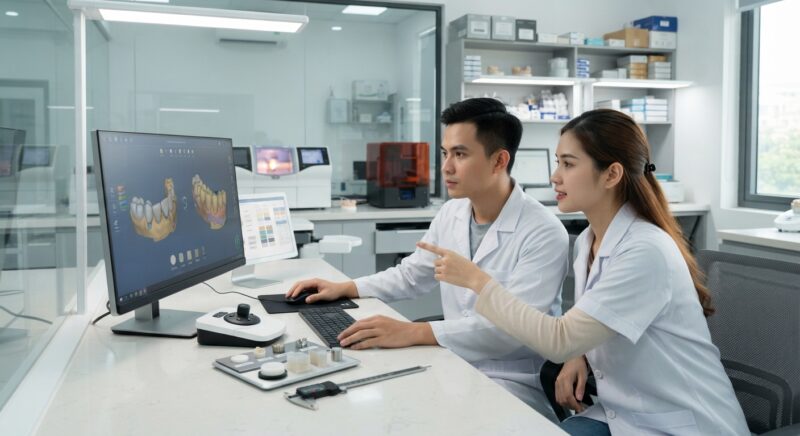
Outsourcing CAD design services can help labs and clinics maximize the use of milling machines or 3D printers without hiring full-time designers. This approach reduces overhead while ensuring expert digital design support across all prosthetic types, from crowns to surgical guides. Our specialized dental lab CAD/CAM digital design outsourcing service integrates seamlessly with your workflow, allowing you to focus on manufacturing and patient care.
Conclusion and Next Steps
Staying informed through a detailed dental lab material costs comparison 2026 empowers dental labs and DSOs to make cost-effective, high-quality material decisions. Leveraging CAD/CAM technology and digital design outsourcing can optimize your lab’s productivity and profitability. Contact us today to learn how our expert design services can complement your material investments and streamline your digital dentistry workflow.
Step-by-Step Guide to Implementing Cost-Effective Material Choices in Your Dental Lab
For dental labs and practices aiming to optimize material costs without compromising quality, a structured approach is essential. Below is a practical step-by-step guide designed to help you evaluate, select, and implement the most cost-effective dental materials in 2026.
Step 1: Conduct a Comprehensive Material Usage Audit
- Track Current Material Consumption: Use inventory management software or manual logs to record quantities and types of materials used over the past 6–12 months.
- Analyze Costs per Case: Break down material costs by case type (crowns, bridges, implants) to identify expensive or underperforming materials.
- Identify Wastage Patterns: Note materials frequently wasted due to breakage, errors, or over-ordering.
Step 2: Define Quality and Performance Benchmarks
- Consult with Clinicians: Gather feedback from dentists or prosthodontists on material performance, patient satisfaction, and clinical outcomes.
- Set Minimum Acceptable Standards: Establish benchmarks for strength, aesthetics, biocompatibility, and turnaround time.
- Map Material Attributes: Compare your current materials against these benchmarks to identify gaps or excesses.
Step 3: Research Emerging Materials and Technologies
- Attend Industry Trade Shows and Webinars: Stay updated on new materials like high-strength ceramics, bioactive composites, or hybrid polymers.
- Request Samples and Trials: Test promising materials in small batch cases to evaluate fit, finish, and patient feedback.
- Evaluate Supplier Reliability: Consider supply chain stability and lead times to avoid disruptions.
Step 4: Perform a Cost-Benefit Analysis
- Calculate Direct Material Costs: Include purchase price, shipping, and storage expenses.
- Estimate Indirect Costs: Factor in labor for processing, waste rates, rework, and equipment wear.
- Assess Long-Term ROI: Consider patient satisfaction, fewer remakes, and potential for higher pricing due to quality improvements.
Step 5: Implement Material Changes in Phases
- Start with Pilot Runs: Introduce new materials in select case types to minimize risk.
- Train Technicians Thoroughly: Provide hands-on training to ensure proper handling and processing.
- Gather Feedback and Adjust: Use technician and client reviews to tweak protocols or revert if necessary.
Step 6: Monitor and Optimize Continuously
- Track Key Performance Indicators: Monitor scrap rates, turnaround times, and cost per case monthly.
- Update Material Procurement Strategies: Consider bulk purchasing, consignment, or alternate suppliers for better pricing.
- Schedule Regular Review Meetings: Include clinical staff and lab technicians to ensure alignment on quality and cost goals.
Common Mistakes to Avoid When Managing Dental Lab Material Costs
While optimizing material costs is critical, dental labs and practices often fall into traps that undermine their efforts. Understanding and avoiding these common pitfalls can save significant time, money, and frustration.
1. Prioritizing Lowest Price Over Total Value
Choosing materials based solely on upfront cost can lead to inferior product longevity, increased remakes, and dissatisfied clients. For example, cheaper zirconia blocks may lack translucency or strength, resulting in frequent adjustments or replacements.
2. Neglecting Material Compatibility with Equipment
Some materials require specific milling machines, sintering furnaces, or bonding agents. Ignoring these requirements can cause processing failures or void warranties. Always verify that your equipment supports the materials you intend to use.
3. Inadequate Training for New Materials
Introducing advanced ceramics or resins without proper technician education often leads to handling errors and suboptimal outcomes. Comprehensive training should accompany every material switch.
4. Overlooking Supply Chain Risks
Relying on a single supplier or just-in-time inventory can expose labs to delays or price spikes. Diversify your sourcing and maintain buffer stock of critical materials to mitigate disruptions.
5. Failing to Track Actual Usage vs. Estimates
Many labs base ordering decisions on outdated or inaccurate material consumption assumptions. Implementing digital tracking and inventory management systems ensures ordering matches real needs, reducing waste and storage costs.
6. Ignoring Environmental and Regulatory Compliance
Using materials that do not meet evolving safety or environmental standards can result in fines or reputational damage. Stay informed on FDA approvals, RoHS directives, and local regulations in your market.
Market-Specific Considerations in Dental Lab Material Costs
The landscape of dental lab materials is not uniform across global markets. Regional differences in regulations, labor costs, patient preferences, and supplier availability can significantly influence material cost decisions. Below are some critical market-specific factors to consider in 2026.
Regulatory Environment
Countries vary widely in their approval processes for dental materials. For example, the EU has strict Medical Device Regulations (MDR) that can delay market entry for new materials, while the FDA in the USA has specific classification pathways. Understanding these can affect the choice of materials, especially when importing or exporting lab products.
Labor and Operational Costs
In regions with higher labor costs, investing in more automated, CAD/CAM-compatible materials may yield better long-term savings despite higher material prices. Conversely, in low-labor-cost markets, manual techniques with traditional materials may remain more cost-effective.
Patient Demographics and Expectations
Markets with aging populations may prioritize durability and biocompatibility over aesthetics, influencing material choice. In younger demographics or urban centers, aesthetics and rapid turnaround may command premium materials and technologies.
Supplier Networks and Pricing Models
Some markets have well-established supplier networks offering competitive pricing and just-in-time delivery, while others may face higher import duties or tariffs. Group purchasing organizations (GPOs) can also influence pricing structures in larger dental service organizations.
Environmental and Sustainability Trends
Regions with strong sustainability initiatives may impose restrictions on certain materials or require eco-friendly certifications. Labs in these areas should consider biodegradable or recyclable materials to remain compliant and appeal to environmentally conscious clients.
Case Example: Comparing Material Costs in North America vs. Southeast Asia
- North America: High labor and overhead costs encourage adoption of high-tech CAD/CAM materials like lithium disilicate and multilayer zirconia, despite higher upfront costs. Regulatory rigor demands FDA-compliant materials, often increasing prices.
- Southeast Asia: Lower labor costs and varying regulatory oversight allow for more flexible material use, often favoring cost-effective PMMA and conventional ceramics. However, supply chain challenges and import tariffs may raise costs for premium materials.
Checklist for Evaluating New Dental Lab Materials Before Purchase
Before committing to new dental materials, use this checklist to ensure that your investment aligns with your lab’s operational goals, quality standards, and cost targets.
- Material Performance: Confirm strength, durability, aesthetics, and biocompatibility meet or exceed current standards.
- Compatibility: Verify compatibility with existing CAD/CAM equipment, bonding agents, and finishing tools.
- Supplier Reliability: Check supplier reputation, delivery times, and customer service responsiveness.
- Cost Analysis: Calculate total cost including purchase price, shipping, storage, processing labor, and potential waste.
- Regulatory Compliance: Ensure materials have necessary certifications and approvals for your market.
- Training Requirements: Identify if additional technician training or process adjustments are required.
- Trial Availability: Request samples or pilot programs to test materials on actual cases before bulk purchase.
- Environmental Impact: Assess sustainability credentials and disposal requirements.
- Long-Term Supplier Agreements: Evaluate options for volume discounts or consignment stock to optimize cost.
- Customer Feedback: Gather input from dentists and patients on preferences and satisfaction with the material.
Real-World Examples of Successful Material Cost Management in Dental Labs
Understanding theoretical cost comparisons is essential, but practical insights come from real-world applications. Several dental labs have successfully optimized their material costs without compromising quality, serving as valuable case studies for others in the industry.
Case Study 1: Mid-Sized Lab Integrates Hybrid Materials
A mid-sized dental lab in the Midwest faced rising costs for zirconia crowns, which were their most common product line. By introducing a hybrid layering technique that combined a high-strength zirconia base with a more affordable composite veneer, they reduced their average material cost per crown by 15%. This approach required retraining technicians but preserved esthetic quality.
- Key takeaway: Combining premium and economical materials can achieve cost savings while maintaining standards.
- Implementation tip: Conduct small-scale trials before full integration.
Case Study 2: Large Lab Uses Bulk Purchasing and Supplier Negotiations
A national dental lab chain leveraged its purchasing power to negotiate better rates with suppliers for polymethyl methacrylate (PMMA) used in surgical guides. By consolidating orders across multiple locations and committing to annual contracts, they achieved a 20% discount, significantly lowering per-unit costs.
- Key takeaway: Volume purchasing and supplier relationships are critical levers for cost reduction.
- Implementation tip: Regularly review supplier contracts to ensure competitiveness.
Checklist for Evaluating New Dental Lab Materials
When considering new materials for your dental lab, a structured evaluation process helps ensure both cost-effectiveness and quality. Use the following checklist as a practical guide:
- Material Performance: Verify strength, durability, and esthetics meet case requirements.
- Compatibility: Ensure the material is compatible with existing CAD/CAM systems and equipment.
- Supplier Reliability: Assess supplier lead times, consistency, and technical support availability.
- Cost Breakdown: Analyze not only material price but also ancillary costs like waste, storage, and disposal.
- Regulatory Compliance: Confirm the material complies with FDA or local dental regulatory standards.
- Training Needs: Identify if staff require new training and budget for associated time and costs.
- Trial Capability: Conduct pilot projects to assess real-world performance before full adoption.
Common Cost and Quality Pitfalls When Selecting Materials
Despite best intentions, dental labs often encounter pitfalls that lead to unexpected costs or compromised quality. Awareness and proactive management of these mistakes can prevent financial losses and reputation damage.
Ignoring the Impact of Waste and Scrap Rates
Focusing solely on the material purchase price overlooks the hidden costs from high scrap rates. Materials that are difficult to work with or require complex handling may generate more waste, inflating effective costs.
- Example: A lab switching to a novel ceramic without adequate technician training saw a 30% increase in rejects, negating any cost savings.
- Prevention: Include waste rate analysis in material evaluations and provide comprehensive training.
Underestimating Equipment Adaptation Costs
New materials often require adjusted milling parameters or even new tooling. Labs that ignore these factors risk costly downtime and equipment wear.
- Example: An implant restoration lab adopting a harder titanium alloy without recalibrating their milling machines experienced frequent tool breakage.
- Prevention: Consult equipment manufacturers during material trials and budget for maintenance or upgrades.
Overlooking Patient Satisfaction and Case Acceptance
Material choices impacting esthetics or comfort can affect patient satisfaction and referrals, indirectly influencing lab demand and revenues.
- Example: Cheaper denture base resins caused discoloration complaints, leading to remakes and lost client trust.
- Prevention: Balance cost considerations with clinical performance and esthetic expectations.
Market-Specific Considerations: Regional and DSO Dynamics in 2026
The dental lab material cost landscape varies significantly depending on geographic location, market segment, and organizational structure, especially in 2026 as supply chains and technology adoption evolve.
Regional Price Variations and Supply Chain Factors
Material costs can fluctuate due to regional differences in import tariffs, transportation costs, and availability of local suppliers. For example, labs on the West Coast of the U.S. benefit from proximity to Asian manufacturers, often receiving faster delivery and lower freight costs for zirconia powders and PMMA blanks compared to East Coast labs.
- Labs should regularly benchmark prices against regional peers and consider multi-sourcing strategies.
- Awareness of geopolitical events impacting raw material availability can help anticipate price spikes.
DSO-Specific Procurement and Standardization Practices
Dental Service Organizations (DSOs) typically standardize material selections across multiple practices and labs to streamline ordering and ensure consistent quality. While this can yield volume discounts, it may limit flexibility to adopt emerging materials that could reduce costs or improve outcomes.
- DSOs must weigh the benefits of standardization against innovation and local preferences.
- Implementing pilot programs within select locations allows testing new materials before broad rollout.
Impact of Sustainability Trends on Material Selection
Increasing focus on sustainability is influencing purchasing decisions, with some labs opting for biodegradable or recycled materials despite slightly higher prices. Such choices can appeal to environmentally conscious clients and differentiate the lab in a competitive market.
- Cost premiums for eco-friendly materials may be offset by marketing advantages and client loyalty.
- Labs should evaluate the full environmental impact, including manufacturing and disposal.