Introduction to Modern Dental Lab Analytics
In the rapidly evolving landscape of digital dentistry, staying competitive requires more than just skilled technicians and advanced machinery. You need precise data to drive decisions that affect your bottom line and operational efficiency. This is where a KPI dashboard for dental lab owners 2026 becomes an essential tool for forward-thinking laboratories and outsourcing partners. By visualizing critical performance indicators, you can identify bottlenecks, optimize resource allocation, and ensure consistent quality across every case. Whether you run a small independent lab or manage a large Dental Service Organization (DSO), understanding these metrics is crucial for sustainable growth.
As we move through 2026, the integration of artificial intelligence and cloud-based analytics has transformed how labs track success. A KPI dashboard for dental lab owners 2026 allows you to monitor turnaround times, error rates, and cost per unit in real time. This visibility empowers you to make informed adjustments before small issues become major financial drains. Furthermore, when you partner with outsourcing providers, having a shared view of these metrics ensures alignment on quality and speed expectations. It creates a transparent environment where both parties are accountable for delivering exceptional results to the end patient.
The adoption of such dashboards is no longer optional for leaders who want to thrive in a crowded market. Implementing a KPI dashboard for dental lab owners 2026 helps you benchmark your performance against industry standards and internal historical data. You can track the impact of new technologies like 3D printing or milling centers on your overall productivity. This data-driven approach reduces guesswork and allows you to focus on what truly matters: delivering high-quality prosthetics efficiently. As you read on, you will discover the specific metrics that matter most and how to integrate them into your daily workflow effectively.
What is a KPI dashboard for dental lab owners 2026?
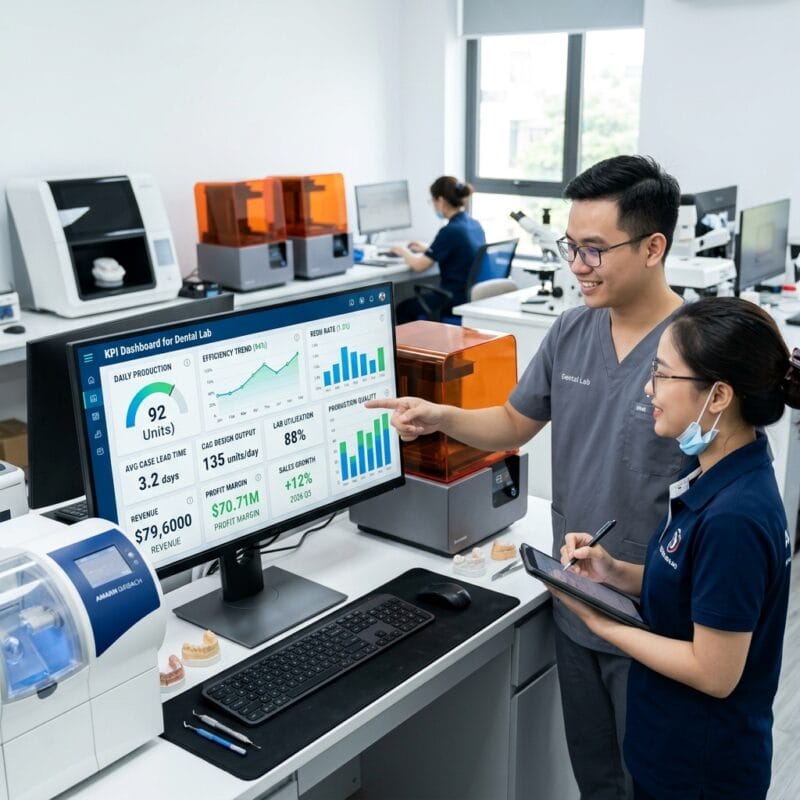
A KPI dashboard for dental lab owners 2026 is a centralized visual interface that tracks and displays critical performance metrics relevant to laboratory operations and outsourcing partnerships.
This tool aggregates data from various sources, including design software, production machines, and order management systems, into a single view. It allows lab managers to see key statistics such as case volume, rejection rates, and revenue per technician at a glance. By standardizing these metrics, the dashboard ensures that everyone from the front desk to the design team understands the goals and current status. This clarity is vital when managing complex workflows involving multiple case types like crowns, bridges, and surgical guides.
For dental labs utilizing outsourcing services, this dashboard acts as a bridge between internal operations and external design partners. It ensures that the outsourcing team has access to the same performance data, fostering collaboration and accountability. When you use a KPI dashboard for dental lab owners 2026, you can instantly spot trends, such as a spike in adjustments for a specific dentist or a delay in implant case production. This proactive visibility enables you to address issues immediately rather than waiting for end-of-month reports. Ultimately, it transforms raw data into actionable insights that drive operational excellence and customer satisfaction.
Key Components of an Effective Dashboard
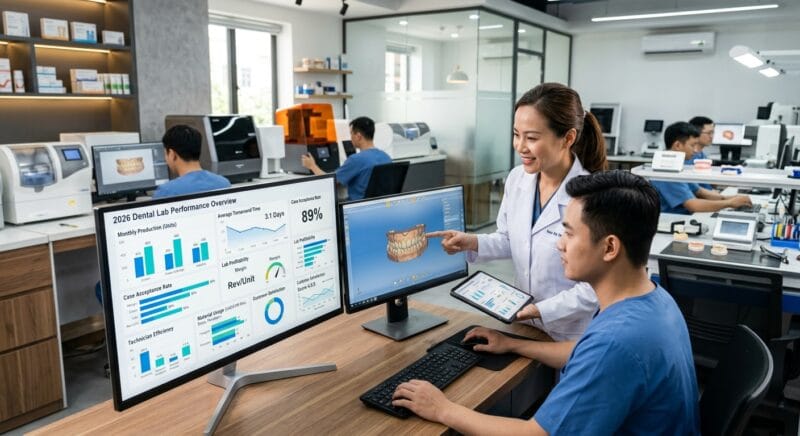
To be truly useful, a KPI dashboard for dental lab owners 2026 must include specific components that reflect the unique needs of the dental industry. First, it should track case turnaround time, which is often the primary concern for dentists and patients alike. Second, it needs to monitor quality metrics, such as the percentage of cases requiring remakes or adjustments. Third, financial indicators like cost per case and revenue per hour are essential for profitability analysis. Finally, integration capabilities with existing CAD/CAM software ensure that data flows automatically without manual entry errors.
When selecting or building a KPI dashboard for dental lab owners 2026, consider how well it scales with your business growth. A robust system should allow you to add new metrics as your lab expands into new service areas like orthodontic aligners or night guards. It should also support user roles, ensuring that technicians see production data while owners see financial summaries. This customization ensures that every stakeholder gets the information they need to perform their job effectively. By focusing on these components, you create a tool that supports daily operations and long-term strategic planning.
Why do dental labs need this now?
Dental labs need this now because the industry is shifting towards digital workflows that generate vast amounts of data requiring real-time analysis for competitive advantage.
The pressure to deliver faster results while maintaining high quality has never been greater. Dentists expect quick turnaround times for crowns and bridges, and patients demand seamless experiences. A KPI dashboard for dental lab owners 2026 provides the insights necessary to meet these expectations without burning out your team. It helps you identify inefficiencies in your digital workflow, such as slow design times or machine downtime, and address them before they impact delivery dates. Without this visibility, you risk falling behind competitors who are leveraging data to optimize their processes.
Additionally, the rise of outsourcing adds complexity to lab management that requires precise tracking. When you outsource design work, you need to ensure that external partners meet your standards and timelines. A KPI dashboard for dental lab owners 2026 allows you to monitor the performance of these partners alongside your internal team. This ensures consistency in quality and speed across all cases, regardless of where they are produced. It also helps in negotiating better terms with outsourcing providers based on actual performance data rather than assumptions. In a market where margins are tight, this level of control is essential for maintaining profitability.
Impact on Operational Efficiency
Implementing a KPI dashboard for dental lab owners 2026 significantly boosts operational efficiency by highlighting areas where time and resources are wasted. For example, if the dashboard shows that certain types of cases take longer than average to design, you can investigate whether training or software updates are needed. This targeted approach prevents general overhauls and focuses improvement efforts where they will have the most impact. It also helps in workforce planning, ensuring you have the right number of technicians available during peak production times.
Moreover, a KPI dashboard for dental lab owners 2026 facilitates better communication between departments. When production, design, and administration all look at the same data, misunderstandings decrease, and collaboration increases. This alignment is crucial when managing complex cases that require input from multiple specialists. By reducing friction and streamlining workflows, you can increase throughput without compromising quality. The result is a more agile lab that can respond quickly to changing market demands and client requirements.
How to implement a KPI dashboard for dental lab owners 2026
Implementing a KPI dashboard for dental lab owners 2026 starts with defining your specific goals and selecting the right software tools to capture necessary data points.
First, identify the metrics that matter most to your business model. Are you focused on volume, speed, or high-value custom cases? Once you have these defined, choose a dashboard solution that integrates with your existing systems, such as your practice management software or CAD platforms. Many modern solutions offer pre-built templates for dental labs, which can speed up the setup process. Ensure that the tool allows for customization so you can tailor it to your unique workflows and reporting needs.
Next, focus on data accuracy and consistency. A KPI dashboard for dental lab owners 2026 is only as good as the data feeding into it. Train your staff on how to log cases and updates correctly to ensure the metrics reflect reality. Regular audits of the data can help identify and correct any discrepancies early. This step is critical for building trust in the system and ensuring that the insights generated are reliable. Without accurate data, any decisions made based on the dashboard could lead to ineffective strategies.
Finally, establish a routine for reviewing the dashboard. Make it a habit to check key metrics daily or weekly, depending on your operational pace. Use these reviews to identify trends and make necessary adjustments to your workflow. Share relevant data with your team to keep everyone aligned on goals and performance. By embedding the dashboard into your daily routine, you ensure it becomes a valuable tool rather than a forgotten feature. This consistent use drives continuous improvement and helps you stay ahead of industry changes.
Choosing the Right Software Partner
When choosing a software partner for your KPI dashboard for dental lab owners 2026, look for providers who understand the nuances of dental lab operations. They should offer robust integration options with popular CAD/CAM systems and practice management tools. Support and training are also critical factors, as your team will need to learn how to use the new system effectively. A good partner will provide ongoing assistance to help you optimize your dashboard settings as your business evolves.
Consider the scalability of the solution as well. As you grow, your data needs will increase, and the dashboard should be able to handle larger volumes without performance issues. Look for features like automated reporting and mobile access, which allow you to monitor your lab from anywhere. These features can be particularly useful for owners who manage multiple locations or work remotely. By selecting a partner that aligns with your long-term vision, you ensure that your analytics infrastructure supports your growth rather than hindering it.
What are the benefits of outsourcing with a KPI dashboard for dental lab owners 2026?
The benefits of outsourcing with a KPI dashboard for dental lab owners 2026 include enhanced transparency, better quality control, and improved cost management across your supply chain.
When you outsource design work, maintaining visibility over the process can be challenging. A shared KPI dashboard for dental lab owners 2026 bridges this gap by providing real-time updates on case status and performance. This transparency builds trust between your lab and the outsourcing provider, ensuring that expectations are clear and met. It also allows you to hold partners accountable for meeting deadlines and quality standards, reducing the risk of delays or errors that could affect patient care.
Furthermore, using a KPI dashboard for dental lab owners 2026 helps you optimize your outsourcing strategy based on data. You can analyze which types of cases are best suited for outsourcing versus in-house production. For example, high-volume standard cases might be more cost-effective to outsource, while complex custom cases stay in-house. This data-driven decision-making ensures you are maximizing the value of your outsourcing partnerships. It also helps in negotiating better rates and terms, as you have concrete evidence of volume and performance to support your requests.
Quality Assurance and Consistency
Quality assurance is a major benefit of using a KPI dashboard for dental lab owners 2026 in conjunction with outsourcing. By tracking rejection rates and adjustment frequencies, you can ensure that outsourced designs meet your high standards. If a specific provider consistently produces cases with high adjustment rates, the dashboard highlights this issue immediately. This allows you to address the problem directly or switch providers if necessary, protecting your reputation with dentists and patients.
Consistency across all cases is vital for building a loyal client base. A KPI dashboard for dental lab owners 2026 helps you maintain this consistency by monitoring the performance of both internal and external teams against the same metrics. This unified approach ensures that every case, regardless of origin, meets your lab’s quality benchmarks. It also facilitates better training and feedback loops, as you can identify specific areas where providers or technicians need improvement. Ultimately, this leads to higher satisfaction rates and fewer complaints from your dental partners.
Future trends in dental lab analytics
Future trends in dental lab analytics include the integration of predictive AI, automated workflow adjustments, and enhanced cybersecurity measures to protect patient data.
As we look beyond 2026, the role of a KPI dashboard for dental lab owners 2026 will expand to include predictive capabilities. Instead of just showing what happened, these dashboards will forecast future trends based on historical data. For example, they might predict peak demand periods or potential supply chain disruptions before they occur. This foresight allows you to proactively adjust staffing and inventory levels, ensuring smooth operations even during challenging times. Such predictive power will become a standard expectation for modern lab management tools.
Automation will also play a larger role in how dashboards interact with lab equipment. Future systems may automatically adjust machine settings or schedule maintenance based on the metrics displayed on the dashboard. This reduces manual intervention and minimizes the risk of human error. Additionally, as data privacy becomes increasingly important, dashboards will need to offer robust security features to protect sensitive patient and practice information. By staying ahead of these trends, you can ensure your lab remains competitive and compliant with industry standards.
Integration with Advanced Manufacturing
Integration with advanced manufacturing technologies is a key trend for the KPI dashboard for dental lab owners 2026. As 3D printing and milling machines become more sophisticated, they will generate more detailed data about production processes. Dashboards will need to ingest this data to provide insights into machine efficiency, material usage, and print quality. This level of detail helps you optimize your production floor and reduce waste.
Moreover, these integrated systems will allow for closed-loop manufacturing, where the dashboard automatically corrects errors based on real-time feedback. For instance, if a scan detects a deviation in a milled crown, the system can adjust the next cut automatically. This reduces the need for manual rework and speeds up production times. By embracing these technologies, you can enhance the precision and speed of your lab operations. The KPI dashboard for dental lab owners 2026 serves as the central hub for managing these complex interactions.
How does a KPI dashboard for dental lab owners 2026 impact ROI?
A KPI dashboard for dental lab owners 2026 impacts ROI by identifying cost-saving opportunities, reducing waste, and increasing throughput through data-driven process improvements.
Investing in a robust analytics system often yields significant returns by highlighting inefficiencies that drain resources. For example, by analyzing case turnaround times and remakes, you can reduce the cost of materials and labor associated with errors. A KPI dashboard for dental lab owners 2026 makes these savings visible and quantifiable, justifying the initial investment. It also helps you optimize pricing strategies based on actual production costs, ensuring you are charging appropriately for your services.
Additionally, the ability to scale operations efficiently contributes to a higher return on investment. With clear metrics, you can confidently expand your case volume without compromising quality or speed. This growth potential is crucial for long-term financial health. The dashboard also helps in managing outsourcing costs, ensuring you are getting the best value for your money. By continuously monitoring these factors, you can maintain a healthy profit margin even as market conditions change. Ultimately, the ROI comes from a more efficient, profitable, and scalable business model.
Measuring Long-Term Success
Measuring long-term success requires looking beyond immediate financial gains to consider customer satisfaction and market position. A KPI dashboard for dental lab owners 2026 helps track these softer metrics by linking them to operational data. For instance, you can correlate turnaround times with client retention rates to see how speed affects loyalty. This holistic view ensures that you are building a sustainable business rather than just chasing short-term profits.
Regularly reviewing these long-term metrics allows you to adjust your strategy as needed. If the dashboard shows that a specific service line is becoming less profitable or popular, you can pivot resources to more promising areas. This agility is essential in a rapidly changing industry. By keeping a close eye on these indicators, you can ensure your lab continues to grow and adapt. The KPI dashboard for dental lab owners 2026 is your compass for navigating these strategic decisions effectively.
For more information on industry standards, you can visit the American Dental Association website to understand broader practice management guidelines.
Understanding the technical side of digital design is also vital. You might find resources on Exocad helpful for learning about specific CAD software capabilities.
Ultimately, the journey to implementing a KPI dashboard for dental lab owners 2026 is about empowerment. It gives you the tools to control your destiny in a competitive market. By focusing on the right metrics, you can build a lab that is efficient, profitable, and resilient. Start today by assessing your current data capabilities and identifying the gaps you need to fill. Your future success depends on the decisions you make now with the right information at your fingertips.
Ready to transform your lab operations? Contact us today to discuss how our CAD/CAM outsourcing services integrate with your analytics goals.