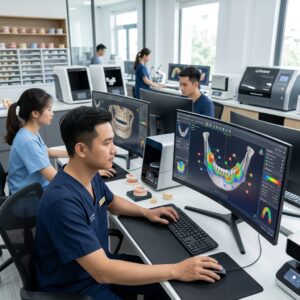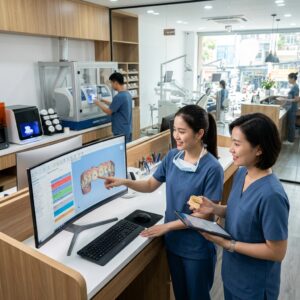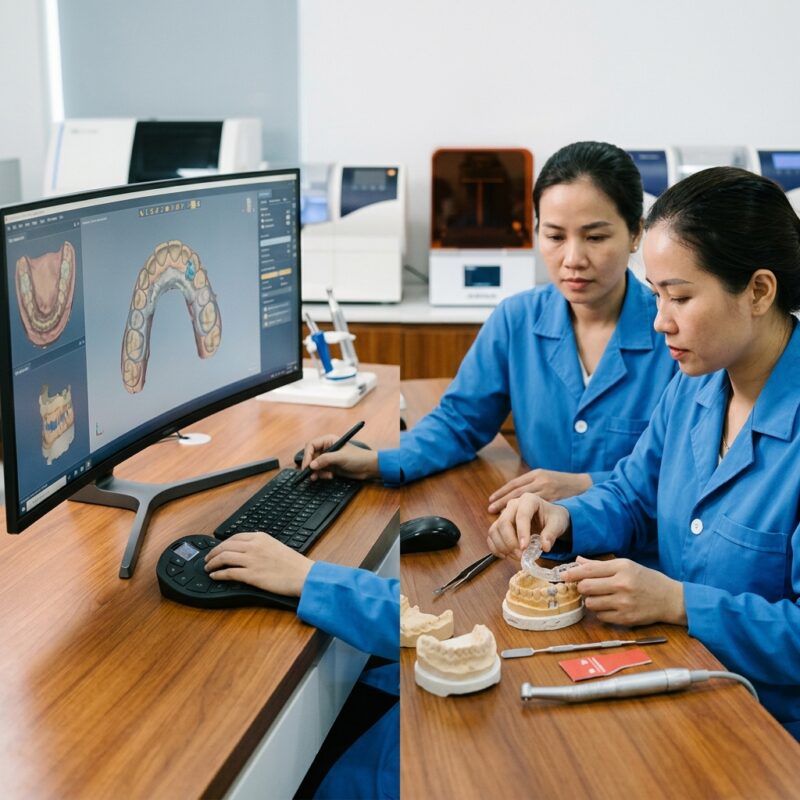
The Pivotal Shift: Digital Impressions vs Conventional Guide in Modern Dentistry
The dental industry is in the midst of a profound technological transformation, with the conversation around digital impressions vs conventional guide methods taking center stage. For dental labs and DSOs, understanding this paradigm shift isn’t just about adopting new tools; it’s about redefining workflows, enhancing precision, and ultimately, delivering superior patient outcomes. As a leading provider of dental lab CAD/CAM digital design outsourcing services, we witness firsthand the dramatic improvements that arise from embracing the digital frontier. This article will provide an in-depth exploration of the nuances, advantages, and practical implications of the debate between digital impressions vs conventional guide for your business.
Understanding the Conventional Guide: The Foundation We’ve Known
For decades, conventional impressions have been the bedrock of prosthetic dentistry. This method typically involves using trays filled with impression materials like alginate or polyvinyl siloxane (PVS) to capture the exact contours of a patient’s oral cavity. These physical impressions are then poured into gypsum models, which serve as the “conventional guide” for lab technicians to fabricate restorations.
The traditional workflow, while familiar, comes with inherent challenges:
- Material Limitations: Impression materials are susceptible to distortion, shrinkage, and expansion, potentially compromising the accuracy of the final restoration.
- Patient Discomfort: The experience of having a bulky tray filled with viscous material in the mouth can be unpleasant, often triggering gag reflexes and anxiety.
- Time and Logistics: Capturing multiple impressions, disinfection, packaging, and shipping physical models to the lab add significant time and cost to the process.
- Storage and Handling: Physical models require dedicated storage space and are prone to damage or loss, making long-term record-keeping cumbersome.
- Remake Rates: Inaccuracies from impression-taking or model pouring often lead to remakes, incurring additional chair time, material costs, and patient frustration.
Despite these drawbacks, the conventional guide has been a reliable method, and many practices and labs still operate predominantly within this framework. However, the comparison of digital impressions vs conventional guide increasingly highlights the limitations of the traditional approach in an era demanding higher precision and efficiency.
The Advent of Digital Impressions: A New Era of Precision
Digital impressions utilize intraoral scanners to capture highly accurate, three-dimensional images of the patient’s dentition and surrounding soft tissues. This technology replaces the messy, uncomfortable trays with a handheld wand that painlessly scans the mouth, creating a detailed digital model in minutes.
The workflow with digital impressions is streamlined and efficient:
- Immediate Visualization: Clinicians can view the scan in real-time, immediately identifying any missed areas or discrepancies, allowing for instant retakes without material waste.
- Digital File Transfer: The 3D data is sent electronically to the dental lab, eliminating shipping costs, delays, and the risk of damage during transit.
- Direct CAD/CAM Integration: Digital impression files (typically STL, PLY, or OBJ) are directly compatible with CAD/CAM software, enabling technicians to design crowns, bridges, implants, and other prosthetics with unparalleled accuracy. This seamless integration is where the true power of digital impressions vs conventional guide becomes apparent.
- Enhanced Communication: Digital files facilitate easy sharing and collaboration between the clinician, lab, and even specialists, allowing for real-time adjustments and discussions.
Digital Impressions vs Conventional Guide: A Head-to-Head Comparison
The core of the industry’s evolution lies in the direct comparison of digital impressions vs conventional guide. Let’s break down the critical areas where digital technology offers distinct advantages:
Accuracy and Precision
Digital Impressions: Intraoral scanners capture hundreds of thousands of data points per second, creating a highly precise and detailed 3D model. Studies consistently show that digital impressions offer superior accuracy, particularly for full arch scans and implant cases, minimizing marginal discrepancies and ensuring optimal fit. This precision is crucial for complex restorations like multi-unit bridges and full-arch implant prosthetics.
Conventional Guide: The accuracy of conventional impressions is subject to numerous variables: material properties, mixing consistency, setting time, tray selection, operator technique, and potential distortion during pouring, trimming, and shipping. Even under ideal conditions, microscopic inaccuracies can lead to ill-fitting restorations and the need for costly adjustments or remakes.
Time Efficiency and Workflow Streamlining
Digital Impressions: The chairside scanning process is significantly faster, often taking just a few minutes per arch. The digital file is instantly available for review and can be transmitted to the lab within seconds. This drastically reduces chair time for patients and turnaround time for restorations. For labs, receiving digital files eliminates the need for model pouring and scanning, allowing immediate commencement of the design phase. This speed advantage is a key differentiator when evaluating digital impressions vs conventional guide.
Conventional Guide: The entire process, from impression taking to model pouring and shipping, can take days. This extends the overall treatment timeline and requires more patient visits, impacting practice efficiency and patient satisfaction.
Patient Experience and Comfort
Digital Impressions: Patients overwhelmingly prefer digital impressions. The absence of messy materials, gag reflex, and the ability to pause and resume scanning significantly enhances comfort. The experience is often described as quick, clean, and pleasant, leading to higher patient satisfaction and acceptance of treatment.
Conventional Guide: Many patients find traditional impressions uncomfortable, anxiety-inducing, and prone to triggering gag reflexes. This negative experience can deter patients from seeking necessary dental care.
Cost Implications and ROI
Digital Impressions: While the initial investment in an intraoral scanner can be substantial, the long-term cost savings are significant. These include reduced material costs (no impression materials, trays, or gypsum), eliminated shipping fees, fewer remakes, and increased chairside efficiency. For labs, outsourcing digital design can further mitigate the need for in-house scanner investment while still reaping the benefits of digital files.
Conventional Guide: The ongoing costs of impression materials, trays, disinfectants, shipping, and the financial burden of remakes can accumulate. While the per-impression material cost might seem low, the cumulative effect and indirect costs often make it less economical in the long run compared to the efficiency gained from digital impressions vs conventional guide.
Environmental Impact
Digital Impressions: By eliminating physical materials, digital impressions significantly reduce waste from plastics, chemicals, and gypsum. This makes it a more environmentally friendly option, aligning with modern sustainability goals.
Conventional Guide: The disposal of used impression materials, plastic trays, and gypsum models contributes to landfill waste, making it a less sustainable choice.
How Digital Design Outsourcing Elevates the Digital Workflow for Labs and DSOs
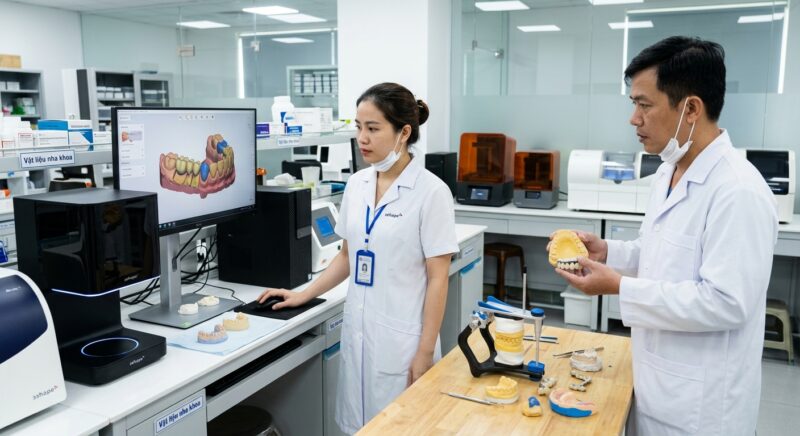
Digital design outsourcing elevates a lab’s digital workflow by moving the CAD design step to an external specialist team, so in-house staff can focus on scanning, quality checks, milling, and finishing. This split lets a lab or DSO handle more cases without adding a full-time CAD designer, while keeping turnaround predictable and file quality consistent across every case.
Bridging the Technology Gap
Our service allows labs and DSOs to immediately leverage the advantages of digital impressions without the upfront investment in design software or the need to hire and train in-house CAD/CAM technicians. You send us the digital scan files (or even conventional models for initial digitization), and our expert designers create precise, ready-to-mill or print designs for a wide array of prosthetics.
Specialized Expertise at Your Fingertips
Our team comprises highly skilled CAD/CAM designers with deep expertise across various platforms (e.g., exocad, 3Shape, Medit Splint Studio) and restoration types. Whether it’s complex implant cases requiring meticulous planning, intricate full-arch dentures, or precision orthodontic aligners, our specialists ensure designs meet the highest standards of quality and fit. This specialized knowledge is a critical factor in maximizing the benefits derived from the shift from digital impressions vs conventional guide.
Scalability and Efficiency
Outsourcing your digital design needs provides unparalleled scalability. During peak periods, you can handle increased case volumes without overburdening your in-house team or delaying turnaround times. Conversely, during slower periods, you only pay for the services you need, optimizing operational costs. This flexibility ensures your lab or DSO remains agile and responsive to market demands, always ready to handle cases initiated by either digital impressions vs conventional guide.
Comprehensive Design Capabilities
We offer a full spectrum of digital design services, ensuring that no matter the case type, your digital impressions are translated into exceptional prosthetics:
- Crown & Bridge Design: From single crowns to complex multi-unit bridges, our designs prioritize marginal integrity, anatomical correctness, and optimal occlusion. The precision gained from digital impressions vs conventional guide is most evident here, leading to fewer chairside adjustments.
- Implant Planning & Surgical Guides: Utilizing advanced software, we design precise surgical guides based on CBCT scans and digital impressions, ensuring accurate implant placement. This significantly reduces surgical risks and improves predictability, a stark contrast to freehand surgery guided by conventional methods. Our service also works well alongside surgical guide design services.
- Dentures & Removable Prosthetics: We transform digital scans into custom-fitted full and partial dentures, offering superior retention and patient comfort.
- Orthodontic Aligners: For orthodontic practices and DSOs, we design clear aligner sequences based on digital models, facilitating efficient treatment planning and predictable tooth movement.
- Night Guards & Occlusal Splints: Custom-designed night guards and splints ensure optimal fit and patient compliance, crucial for managing bruxism and TMD.
Addressing Common Questions About Digital Impressions
What are the key benefits of using intraoral scanners for dental impressions?
The key benefits of using intraoral scanners for dental impressions include superior accuracy, enhanced patient comfort, significant time savings in both chairside and lab workflows, reduced material waste, and seamless integration with CAD/CAM design and manufacturing processes, which ultimately leads to higher quality restorations and fewer remakes compared to the digital impressions vs conventional guide debate.
How does digital design outsourcing specifically help labs transition from conventional to digital workflows?
Digital design outsourcing specifically helps labs transition from conventional to digital workflows by providing immediate access to expert CAD/CAM designers and advanced software without the need for significant upfront investment in technology or specialized staff training, enabling labs to accept digital impression files from clinicians and deliver high-quality digital restorations efficiently, accelerating their adoption of modern practices beyond the limitations of digital impressions vs conventional guide.
The Future is Digital: Beyond Digital Impressions vs Conventional Guide
The trajectory of dental technology is clear: digital workflows are becoming the standard. The debate of digital impressions vs conventional guide is increasingly settled in favor of digital due to its inherent advantages in accuracy, efficiency, and patient experience. As more dental practices adopt intraoral scanners (e.g., 3Shape TRIOS, Medit i500/i700, Dentsply Sirona Primescan), the demand for labs capable of handling digital files will only grow.
Labs and DSOs that embrace this shift, whether through in-house investment or strategic outsourcing, will be better positioned to attract new clients, improve operational efficiency, and deliver predictable, high-quality results. Our services are designed to be a seamless extension of your lab, allowing you to focus on fabrication and delivery while we handle the intricate digital design work. This partnership ensures you remain competitive and at the forefront of dental innovation, regardless of your current in-house capabilities.
The evolution from digital impressions vs conventional guide is not just about technology; it’s about elevating the entire dental care ecosystem. It’s about empowering clinicians with better tools, providing labs with more efficient workflows, and ultimately, delivering patients with more comfortable experiences and superior restorations. Understanding and acting upon the implications of digital impressions vs conventional guide is paramount for future success.
Furthermore, integrating digital impressions into your workflow opens doors to advanced treatment modalities like clear aligner therapy, complex implant prosthetics, and fully guided surgeries, areas where the precision of digital data is non-negotiable. For instance, creating a precise surgical guide for implant placement relies entirely on the accurate fusion of CBCT data and the surface data from a digital impression. Without this digital foundation, the planning and execution become significantly more challenging and less predictable. This highlights why the discussion of digital impressions vs conventional guide is so critical for advanced dental procedures.
As the industry continues to innovate, we’ll see further advancements in AI-powered design, automated quality control, and even more sophisticated materials. Being digitally enabled now means you’re prepared for these future evolutions. The investment in digital capabilities, or partnering with an outsourcing service that possesses them, is an investment in the longevity and prosperity of your dental lab or DSO. It’s about ensuring that every restoration, from a simple crown to a complex full-arch case, benefits from the highest possible level of precision and efficiency. Our expertise in full arch implant design is just one example of how we can support your advanced cases.
Ready to enhance your lab’s capabilities and embrace the future of dental prosthetics? Contact us today to learn how our CAD/CAM digital design outsourcing services can transform your workflow and elevate your patient outcomes.