
Understanding the Impact of CAD Outsourcing on Denture and Night Guard Production for Dental Labs 2026
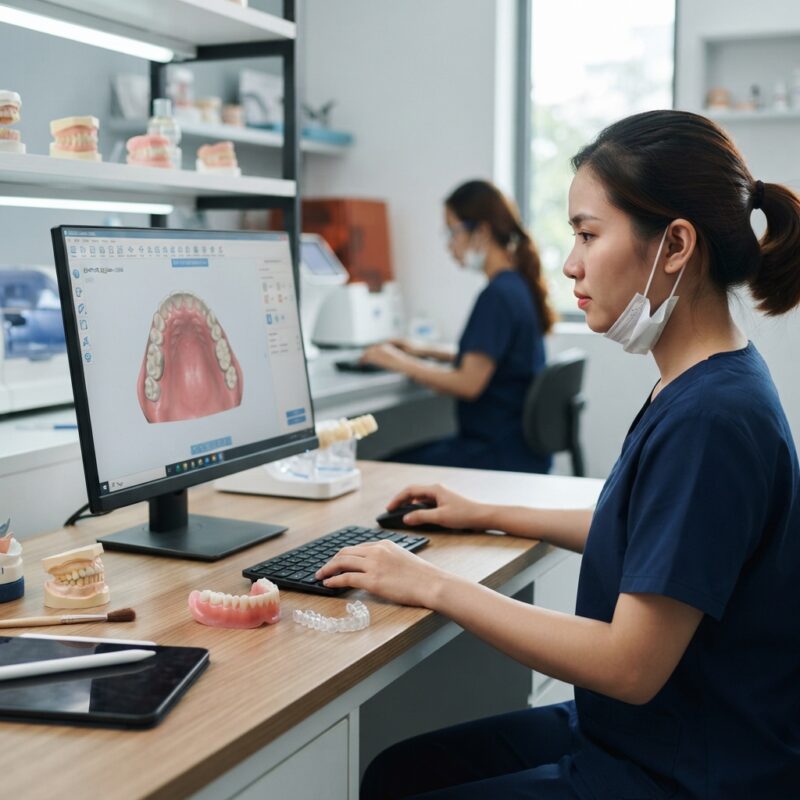
The impact of CAD outsourcing on denture and night guard production for dental labs 2026 is profound, reshaping how labs approach design, manufacturing, and delivery. Outsourcing digital design tasks to specialized CAD/CAM providers allows dental labs and DSOs to leverage cutting-edge software, expert technicians, and scalable workflows that were previously cost-prohibitive or unavailable in-house.
By 2026, the integration of outsourced CAD services is expected to enhance production speed, accuracy, and customization capabilities for denture and night guard fabrication. This evolution directly supports dental labs in meeting increased demand, reducing turnaround times, and maintaining high-quality standards, which is essential in a competitive and technologically advancing marketplace.
What Is Dental Lab CAD Outsourcing?
Dental lab CAD outsourcing is the process of subcontracting digital design and modeling of dental prosthetics to external specialists equipped with advanced CAD/CAM technologies.
Instead of performing all digital design in-house, labs send impression scans or preliminary designs to expert CAD designers or dedicated digital service providers. These providers use state-of-the-art platforms such as 3Shape or exocad to create precise digital models for crowns, dentures, night guards, and other appliances. Outsourcing enables labs to reduce capital expenditure on software licenses and training, while gaining access to highly skilled designers who stay current with evolving dental materials and design standards.
Dental labs benefit from this approach by optimizing workflow, improving design quality, and scaling production without expanding their in-house CAD team. This service is especially valuable for producing complex prosthetics like full dentures or custom night guards, where design intricacies significantly impact patient comfort and clinical success.
How Does CAD Outsourcing Improve Denture and Night Guard Production?
CAD outsourcing improves denture and night guard production through enhanced design precision, faster turnaround times, and access to specialized expertise.
Firstly, digital designs created by expert CAD technicians are highly accurate, reducing the risk of fit issues and remakes. These technicians utilize advanced software tools to simulate occlusion, material thickness, and anatomical contours specific to each patient’s scans. Secondly, outsourcing enables labs to free up internal resources, allowing their technical staff to focus more on fabrication and quality control rather than design labor.
Additionally, CAD service providers often operate on a scalable model, meaning they can adjust workloads according to demand fluctuations without compromising deadlines. This flexibility is critical in managing seasonal peaks or sudden increases in case volume, especially for time-sensitive appliances like night guards used to treat bruxism or protect dental work.
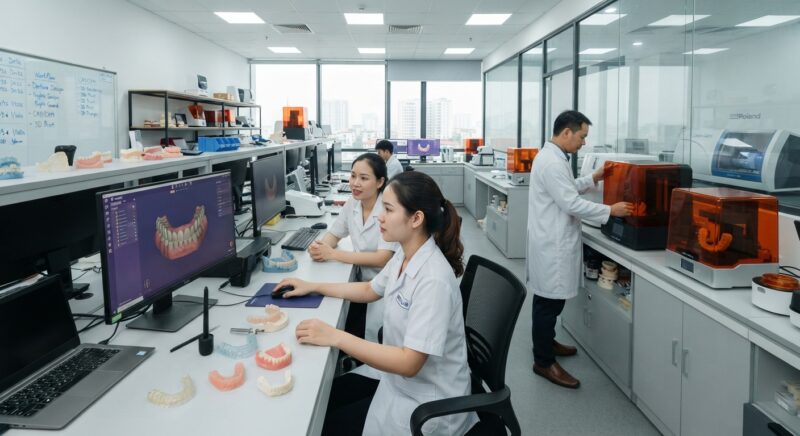
Finally, outsourced CAD designs integrate seamlessly with in-lab or partner milling and 3D printing systems for dentures and night guards, supporting a streamlined digital workflow from design to final prosthesis.
What Are the Key Advantages of CAD Outsourcing for Dental Labs in 2026?
The key advantages of CAD outsourcing for dental labs in 2026 include cost savings, improved design quality, faster turnaround, and increased scalability.
- Cost Efficiency: Outsourcing eliminates the need for costly software licenses, hardware investments, and ongoing training.
- Technical Expertise: Access to specialized designers who continuously update their skills with the latest CAD/CAM innovations.
- Faster Turnaround: Dedicated design teams can expedite case completion, crucial for urgent night guard or denture cases.
- Scalability: Labs can handle larger case volumes without expanding internal staff or infrastructure.
- Quality Consistency: Uniform design standards applied by expert providers reduce remakes and improve patient satisfaction.
These advantages collectively transform denture and night guard production, enabling labs to remain competitive and meet the evolving expectations of dental practices and DSOs.
How Does Technology Integration Support Outsourced CAD Workflows?
Technology integration supports outsourced CAD workflows by enabling seamless data transfer, communication, and production synchronization between dental labs and CAD providers.
Modern intraoral scanners and desktop scanners produce high-resolution digital impressions that can be securely uploaded to cloud platforms where outsourced designers access them. Systems like Medit and iTero facilitate standardized file formats (e.g., STL, PLY) ensuring compatibility with multiple CAD/CAM software.
Furthermore, integration platforms allow real-time collaboration and design reviews, enabling labs to request adjustments or approve designs efficiently. This interconnected approach reduces errors, shortens feedback loops, and aligns design intent with fabrication capabilities.
Once the digital design is finalized, it is transmitted to milling or 3D printing units either in-house or through partner facilities, completing the digital production chain. This high level of integration ensures that the impact of CAD outsourcing on denture and night guard production for dental labs 2026 is maximized through optimized workflows and minimized manual intervention.
What Role Does CAD Outsourcing Play in Meeting Regulatory and Quality Standards?
CAD outsourcing plays a crucial role in ensuring compliance with regulatory and quality standards by utilizing validated workflows and experienced designers familiar with industry requirements.
Outsourced CAD providers are typically certified to meet standards such as ISO 13485 for medical devices, which governs quality management systems in dental product manufacturing. Their adherence to these protocols ensures that the digital designs they produce comply with clinical safety and performance criteria.
Moreover, these providers maintain detailed documentation, version control, and traceability for each case, supporting audits and quality assurance processes. This level of rigor helps dental labs meet regulatory demands without bearing the full burden of compliance management internally.
Consequently, the impact of CAD outsourcing on denture and night guard production for dental labs 2026 extends beyond efficiency gains to include enhanced product safety and reliability, which are paramount in patient care.
What Are the Challenges Dental Labs Face When Adopting CAD Outsourcing?
The primary challenges dental labs face when adopting CAD outsourcing include concerns about data security, communication barriers, and integration complexities.
Labs must ensure that patient data shared with external designers is protected in compliance with HIPAA and other privacy regulations. This requires robust encryption, secure file transfer protocols, and trusted vendor partnerships.
Effective communication is another challenge, as misinterpretation of design requirements can lead to remakes or delays. Establishing clear protocols for feedback, design approval, and revisions is essential to mitigate this risk.
Additionally, integrating outsourced CAD designs into existing production systems requires compatible file formats and synchronization with milling or printing hardware. Labs may need to invest in training or workflow reengineering to fully leverage outsourced services.
Despite these challenges, many labs find the benefits of outsourcing outweigh the initial hurdles, particularly when partnering with experienced and technologically advanced CAD providers.
How Will the Impact of CAD Outsourcing on Denture and Night Guard Production for Dental Labs 2026 Influence Industry Trends?
The impact of CAD outsourcing on denture and night guard production for dental labs 2026 is driving trends towards increased digitalization, specialization, and collaboration within the dental manufacturing industry.
Labs are increasingly adopting hybrid models where core fabrication remains in-house while design tasks are outsourced, enabling them to focus on material expertise and finishing techniques. This specialization fosters higher overall quality and innovation.
Furthermore, the availability of scalable outsourced CAD services encourages consolidation among dental service organizations (DSOs), which benefit from standardized workflows and cost efficiencies.
The trend also fuels investment in digital infrastructure and partnerships with leading CAD software companies, resulting in continuous improvements in prosthetic fit, aesthetics, and patient outcomes.
As a result, the industry is moving toward a more interconnected ecosystem where digital design outsourcing is a foundational element of denture and night guard production strategies.
What Are the Latest Innovations in CAD Technology Enhancing Outsourced Design?
The latest innovations in CAD technology enhancing outsourced design include AI-driven modeling, cloud-based collaboration platforms, and advanced material simulation.
Artificial intelligence algorithms now assist in automating routine design tasks such as margin detection, occlusal surface creation, and anatomical customization, reducing manual effort and design time. Cloud-based platforms enable real-time multi-user collaboration, allowing dental labs and CAD designers to interact dynamically regardless of location.
Moreover, advanced simulation tools allow designers to predict how different denture base materials or night guard polymers will perform under stress or wear, optimizing designs for durability and patient comfort.
These technological advancements significantly amplify the impact of CAD outsourcing on denture and night guard production for dental labs 2026 by delivering higher precision, faster turnaround, and better clinical outcomes.
How Do Outsourced CAD Services Complement In-House Production Capabilities?
Outsourced CAD services complement in-house production capabilities by providing expert digital design resources that integrate seamlessly with a lab’s existing milling and printing equipment.
Dental labs equipped with milling machines or 3D printers can receive ready-to-manufacture digital files from outsourced CAD providers, minimizing the need for in-house design staff and reducing bottlenecks. This model allows labs to maintain control over final fabrication and quality inspection while leveraging external expertise to accelerate the design phase.
Additionally, outsourcing supports labs in scaling production during peak demand periods without requiring permanent increases in internal headcount or technology investments.
This hybrid approach maximizes operational efficiency and flexibility, enhancing the overall impact of CAD outsourcing on denture and night guard production for dental labs 2026.
What Are Best Practices for Selecting a CAD Outsourcing Partner?
Best practices for selecting a CAD outsourcing partner include evaluating technical expertise, software compatibility, turnaround times, and data security protocols.
Labs should prioritize partners who demonstrate proficiency with leading CAD/CAM platforms such as 3Shape or exocad, ensuring seamless file exchange and design quality. Reviewing case studies or client references can provide insights into a provider’s reliability and industry experience.
Turnaround time commitments must align with the lab’s production schedules, especially for night guards and dentures where patient satisfaction depends on timely delivery.
Moreover, confirming that the partner follows stringent data protection standards and regulatory compliance is critical to safeguard patient information.
Establishing clear communication channels and agreeing on revision policies upfront also contribute to a successful outsourcing relationship, maximizing the positive impact of CAD outsourcing on denture and night guard production for dental labs 2026.
How Does Outsourcing CAD Design Affect Cost Structures for Dental Labs?
Outsourcing CAD design affects cost structures for dental labs by converting fixed overhead costs into variable expenses, improving financial flexibility.
Rather than investing heavily in expensive CAD software licenses, hardware upgrades, and ongoing training, labs pay per case or on subscription models offered by CAD service providers. This shift reduces capital expenditures and allows labs to scale design expenses in line with production volume.
Additionally, by reducing remakes and design errors, outsourcing lowers indirect costs associated with material waste and labor inefficiencies. Labs can also redeploy internal staff to higher-value fabrication tasks, improving overall productivity.
Therefore, the impact of CAD outsourcing on denture and night guard production for dental labs 2026 includes not only operational enhancements but also optimized cost management, supporting sustainable business growth.
What Future Developments Could Further Enhance CAD Outsourcing Benefits?
Future developments that could further enhance CAD outsourcing benefits include increased use of artificial intelligence, expanded cloud-based platforms, and integration with emerging digital manufacturing technologies.
AI advancements will enable even more automated and personalized prosthetic designs, reducing human error and accelerating production cycles. Cloud platforms will evolve to support complex multi-vendor collaborations, allowing labs to coordinate seamlessly with multiple outsourcing partners for specialized dental appliances.
Integration with advanced additive manufacturing technologies, such as multi-material 3D printing, will enable direct digital workflows from outsourced CAD files to final product fabrication with minimal manual intervention.
These innovations will amplify the impact of CAD outsourcing on denture and night guard production for dental labs 2026 by enabling unprecedented precision, speed, and customization capabilities.
Conclusion: Maximizing the Impact of CAD Outsourcing on Denture and Night Guard Production for Dental Labs 2026
In conclusion, the impact of CAD outsourcing on denture and night guard production for dental labs 2026 is transformative, delivering significant operational, financial, and clinical benefits. By partnering with specialized CAD providers, dental labs and DSOs can streamline digital workflows, improve product quality, and scale production efficiently.
The combination of technological advancements, regulatory compliance, and collaborative processes ensures that outsourcing is not only a cost-effective solution but also a strategic advantage in a highly competitive industry.
Dental labs ready to embrace these changes will position themselves at the forefront of digital dental manufacturing, meeting the evolving needs of dental professionals and patients alike.
For more information on optimizing your digital production workflows, consider exploring surgical guide design services and the integration of implant CAD/CAM workflows to further enhance your lab’s capabilities.
Contact Us
Step-by-Step Guide to Implementing CAD Outsourcing in Your Dental Lab
Successfully integrating CAD outsourcing into your dental lab’s workflow requires a strategic approach that ensures smooth collaboration and maximizes the benefits of external expertise. Here is a detailed step-by-step guide to help dental labs and practices implement CAD outsourcing effectively:
Step 1: Assess Your Current Workflow and Identify Gaps
Begin by mapping out your existing denture and night guard production process. Identify bottlenecks, skill shortages, or technology limitations that CAD outsourcing could address. For example, if your in-house design team struggles with complex digital modeling or quick turnaround times, outsourcing can fill these gaps.
Step 2: Define Clear Objectives and Scope
Determine which parts of the CAD design process you want to outsource—whether it’s initial digital impressions, complex 3D modeling, design customization, or final file preparation. Clarify your expectations regarding turnaround time, accuracy, and communication.
Step 3: Research and Select a Reliable CAD Outsourcing Partner
Evaluate potential vendors based on expertise in denture and night guard designs, technology stack, turnaround times, and quality control processes. Request sample work and client testimonials. Consider vendors who offer integration capabilities with your existing software systems for seamless data transfer.
Step 4: Establish Communication Protocols and Data Sharing Methods
Set up secure channels for sharing digital impressions, design files, and feedback. Define points of contact on both sides and schedule regular check-ins to discuss ongoing projects and address issues promptly.
Step 5: Pilot the Outsourcing Process with a Small Batch
Start with a limited number of cases to test the vendor’s capabilities, turnaround, and communication. Use this phase to refine workflows, identify potential issues, and build trust.
Step 6: Train Your Team and Adjust Internal Processes
Ensure your in-house technicians and clinicians understand how to collaborate effectively with the outsourced team, including file formatting requirements and feedback protocols. Update your internal documentation and workflows to incorporate the new process.
Step 7: Monitor Performance and Optimize
Track key performance indicators (KPIs) such as design accuracy, turnaround times, cost savings, and customer satisfaction. Use these metrics to continuously improve collaboration and address any emerging challenges.
Common Mistakes to Avoid When Outsourcing CAD Design in Dental Labs
While CAD outsourcing offers significant benefits, certain pitfalls can undermine its effectiveness. Awareness of these common mistakes can help dental labs avoid costly delays and quality issues.
- Choosing Vendors Solely Based on Price: Opting for the lowest-cost provider without considering quality, expertise, or turnaround capabilities often results in subpar designs that require rework or cause patient dissatisfaction.
- Neglecting Data Security: Sharing sensitive patient data and digital impressions requires strict security measures. Failing to ensure vendor compliance with HIPAA or GDPR regulations can expose your lab to legal risks.
- Poor Communication and Feedback Loops: Inadequate communication channels can lead to misunderstandings, design errors, and delays. Establishing clear feedback procedures is essential to maintain quality.
- Ignoring Integration Compatibility: Using vendors whose software platforms do not seamlessly integrate with your lab’s CAD/CAM systems complicates file transfers and adds manual steps that increase error risks.
- Overlooking Quality Control Checks: Relying entirely on the vendor’s quality assurance without performing your own validations can result in unnoticed flaws reaching patients.
- Rushing the Onboarding Process: Skipping pilot phases and rushing full implementation can disrupt production timelines and overwhelm internal teams.
Cost and Quality Considerations in CAD Outsourcing for Dental Labs
Understanding the balance between cost efficiency and quality is critical when deciding to outsource CAD design work for dentures and night guards. Here are key factors to consider:
Direct and Indirect Cost Factors
- Outsourcing Fees: Vendors typically charge per design or project basis. Pricing varies based on complexity, turnaround time, and customization requirements.
- Technology Investments: Outsourcing can reduce the need for costly in-house CAD software licenses, hardware upgrades, and ongoing training, lowering capital expenditure.
- Labor Cost Savings: Reducing the workload on your in-house design team can optimize staffing levels and allow technicians to focus on fabrication and finishing.
- Reduced Error and Rework Costs: High-quality CAD outsourcing reduces design errors that lead to remakes, saving materials, labor, and shipping expenses.
Quality Assurance and Consistency
Quality in CAD design directly affects patient outcomes and your lab’s reputation. When outsourcing, consider the following:
- Vendor Expertise: Select partners with proven experience in denture and night guard designs to ensure anatomical accuracy and proper occlusion alignment.
- Standardized Design Protocols: Ensure the vendor follows industry standards and regulatory requirements to maintain consistency across all cases.
- Quality Control Processes: Look for vendors with multi-stage quality checks, including digital verification and simulation before final file delivery.
- Feedback and Revision Policies: Choose partners that offer clear processes for design revisions without excessive additional costs or delays.
Market-Specific Cost Dynamics
Costs and quality expectations can vary significantly across different regions and market segments. For example:
- High-Volume DSOs: Large dental service organizations may negotiate bulk pricing and require rapid turnaround to support multiple clinics.
- Specialty Labs: Labs focusing on premium or highly customized dentures may prioritize quality and precision over cost savings.
- Emerging Markets: Labs in developing regions may benefit from outsourcing to international CAD providers with advanced technology but must consider import/export regulations and time zone challenges.
Checklist for Managing Successful CAD Outsourcing Relationships
Maintaining a productive and reliable CAD outsourcing partnership requires ongoing management and evaluation. Use this checklist to ensure key aspects are covered:
- Vendor Selection: Confirm expertise in denture and night guard CAD design, technology compatibility, and security compliance.
- Clear Contract Terms: Define scope of work, turnaround times, revision policies, confidentiality, and pricing.
- Data Security Measures: Verify encryption, secure file transfer protocols, and compliance with patient privacy regulations.
- Communication Plan: Establish regular updates, points of contact, and feedback loops.
- Integration Setup: Ensure software compatibility and smooth data exchange between your lab and the vendor.
- Pilot Testing: Start with a small volume of cases to validate quality and workflow.
- Quality Control Checks: Perform internal reviews of outsourced designs before production.
- Performance Monitoring: Track KPIs such as turnaround time, accuracy, revision frequency, and cost savings.
- Continuous Improvement: Conduct periodic reviews with the vendor to address issues and optimize processes.
- Staff Training: Keep your team updated on how to collaborate effectively with the outsourced design team.
Discover how our specialized CAD outsourcing services can elevate your denture and night guard production. Contact us today to learn more about partnering for success in 2026 and beyond.


