Introduction to Referral Commissions for Dental Lab CAD/CAM Outsourcing
In 2026, dental service organizations (DSOs) and dental labs face growing demand for high-quality CAD/CAM digital design outsourcing for crowns, bridges, implants, surgical guides, dentures, orthodontic aligners, and night guards. Staff working in procurement and operations are often asked to recommend vendors. Understanding how DSO procurement and operations staff can recommend vendors without conflict of interest: a referral commission guide 2026 is essential for maintaining transparency and maximizing personal earning potential.
Many dental professionals, including dental assistants, hygienists, treatment coordinators, and lab sales reps, already have valuable networks. By joining a structured referral partner program such as the Dental 3D Lab referral partner program, they can earn recurring commissions ethically and effectively while helping their clinics and labs access top-tier CAD design services.
What is the Role of Procurement and Operations Staff in Vendor Recommendations?
The role of procurement and operations staff in DSOs is to identify and recommend vendors who provide reliable, cost-effective, and high-quality services that meet the organization’s standards.
This includes evaluating dental lab services such as digital crown design and implant surgical guide manufacturing. Staff must balance organizational needs, budget constraints, and compliance with ethical guidelines to avoid conflicts of interest. Their recommendations influence vendor selection but should always be made transparently, especially when referral commissions are involved.
How Does the Referral Commission Model Work in Dental Lab Outsourcing?
The referral commission model in dental lab outsourcing is a structured approach where individuals recommend a vendor or service to dental clinics or labs, and earn a commission based on the revenue generated by the referred clients.
For example, an agent in the Dental 3D Lab referral partner program refers clients using a personal link. Each registered client is permanently attributed to the agent, who earns 5% to 25% commission on the actual revenue collected from those clients, for up to 24 months. The commission is paid monthly via PayPal, with no caps on earnings, making it a scalable source of passive income. This model incentivizes quality referrals without compromising ethical standards.
Why is Conflict of Interest a Concern When Recommending Vendors?
Conflict of interest occurs when personal financial gain interferes with the impartiality of vendor recommendations, potentially compromising the best interests of the DSO or lab.
For procurement and operations staff, it’s critical to disclose any referral commissions or personal benefits to maintain trust and comply with company policies. Without transparency, recommendations can be perceived as biased, damaging professional reputations and organizational integrity.
What steps can DSO Staff take to avoid conflicts of interest while recommending vendors?
DSO procurement and operations staff can avoid conflicts of interest by taking several practical steps:
- Review Employment Contracts and Policies: Check any clauses related to vendor relationships, referral commissions, and conflict of interest disclosures.
- Disclose Referral Arrangements: Inform supervisors or relevant compliance officers about participation in referral programs.
- Refer Only Eligible Clients: Recommend vendors only to clinics or labs they are authorized to refer, avoiding patient data or confidential information.
- Maintain Transparency: Clearly communicate the nature of the referral commission to all stakeholders involved where required.
These actions help ensure that vendor recommendations remain ethical and legally compliant.
How DSO procurement and operations staff can recommend vendors without conflict of interest: a referral commission guide 2026
Understanding how DSO procurement and operations staff can recommend vendors without conflict of interest: a referral commission guide 2026 means embracing transparency, compliance, and the business opportunity simultaneously. By joining a referral partner program, staff can leverage their existing networks and credibility to earn recurring commissions on CAD/CAM digital design services.
Consider this illustrative example: if an agent refers 4 dental clinics, each generating $1,000 monthly in CAD design revenue, and the commission rate is 10%, the monthly commission would be calculated as:
- 4 clients × $1,000 revenue × 10% commission = $400 per month.
With no cap on commissions and rates ranging from 5% to 25%, the potential to scale earnings is significant. However, it requires effort to find and refer clients who actually use and pay for the services.
What are the benefits of joining a CAD/CAM dental lab referral partner program?
Joining a referral partner program offers benefits including:
- Recurring Income: Earn commissions on ongoing client orders for up to 24 months.
- Scalable Earnings: No ceiling on monthly commissions means unlimited growth potential.
- Low Risk: No upfront costs or inventory management needed.
- Access to Dashboard: Track client registrations, revenue, commissions, and communicate with lab support easily.
- Preferred Pricing: Referred clinics and labs receive exclusive price lists, enhancing their loyalty and satisfaction.
These advantages make referral programs attractive for dental assistants, treatment coordinators, and lab owners alike.
How does the Dental 3D Lab referral partner program ensure ethical compliance?
The Dental 3D Lab referral partner program is designed with ethical compliance at its core. Agents never access patient data, clinical files, or confidential information. Commissions are transparently calculated on lab revenue collected from referred clients.
Agents are responsible for their own taxes and must comply with their employer’s policies regarding outside income and referrals. The program’s terms and commission rates are clearly presented upon account creation, ensuring agents understand the relationship and obligations before participating.
What practical advice is there for finding and referring potential clients?
Effective client referrals require building trust and identifying needs within your professional network. Some practical tips include:
- Leverage existing relationships with dental clinics, labs, and DSOs you interact with daily.
- Educate your contacts about the benefits of outsourcing CAD/CAM digital design, emphasizing quality, turnaround time, and cost advantages.
- Use your personalized referral link to track and register new clients.
- Maintain ongoing communication with referred clients to support continued orders and satisfaction.
- Combine referral efforts with knowledge of related services like surgical guide design to offer comprehensive solutions.
How to calculate and maximize your referral commissions effectively?
Calculating commissions is straightforward: multiply the number of referred clients by their monthly CAD design spending and your commission percentage. To maximize earnings:
- Target clients with higher CAD design volumes, such as multi-location DSOs or busy dental labs.
- Encourage referred clients to order consistently over time to extend the 24-month commission window.
- Stay informed about promotions or pricing changes that might increase client usage.
- Use referral dashboards to monitor performance and identify growth opportunities.
For example, with 10 clients each spending $1,500 monthly, and a 15% commission rate, monthly commission would be:
- 10 × $1,500 × 15% = $2,250 per month (illustrative example).
What are common concerns or barriers staff face when recommending vendors with commissions?
Common concerns include:
- Fear of Conflict of Interest: Worrying that commissions might compromise professional integrity.
- Employer Restrictions: Uncertainty about company policies or contract clauses prohibiting referrals.
- Effort vs. Reward: Questioning whether the time invested will yield worthwhile commissions.
- Confidentiality: Hesitance to share sensitive information or approach clinics directly.
Addressing these concerns requires transparent communication with employers, adherence to policies, and using ethical referral channels that do not involve patient data or pressure tactics.
What tools and resources support referral agents in the dental lab outsourcing industry?
Referral agents benefit from dedicated tools such as:
- Personalized Referral Links: Track client registrations and revenue attribution.
- Agent Dashboards: View active clients, collected revenue, commissions earned, and communicate with lab representatives.
- Educational Materials: Access brochures, case studies, and product info to assist in client discussions.
- Compliance Guidance: Resources to understand ethical boundaries and disclosure requirements.
These tools empower agents to manage their referrals efficiently and maintain professionalism.
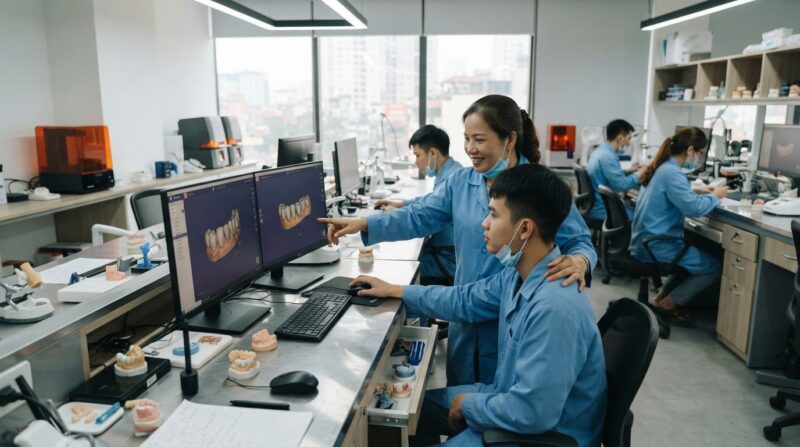
How do CAD/CAM digital design outsourcing vendors maintain quality and trust?
Outsourcing digital design to specialized labs ensures access to expert technicians, advanced software such as 3Shape and exocad, and streamlined workflows that improve accuracy and turnaround times.
Quality assurance protocols, secure communication platforms, and responsive support teams help build trust with DSOs and labs relying on these vendors. Referral agents can confidently promote these strengths to their network.
Conclusion: Taking the Next Step as a Referral Agent in 2026
Understanding how DSO procurement and operations staff can recommend vendors without conflict of interest: a referral commission guide 2026 empowers you to ethically leverage your network and earn recurring commissions through trusted referral partner programs.
By following transparency guidelines, complying with employer policies, and actively engaging your contacts, you can build a meaningful secondary income stream. The Dental 3D Lab referral partner program offers a clear, ethical path with no earning caps and full visibility of your commissions.
Start exploring your potential now by applying to the Dental 3D Lab referral partner program and turn your professional relationships into rewarding opportunities.
Additional Resources
For more insight into ethical vendor relationships and digital dental lab outsourcing, visit the American Dental Association website or explore detailed CAD/CAM technology updates at Dentsply Sirona.
Also consider how referral programs complement other lab services such as digital crown design for a holistic approach to dental prosthetics outsourcing.
Contact Us
Practical Step-by-Step Guide to Setting Up a Referral Partnership with Dental Labs
Establishing a successful referral partnership with dental labs for CAD/CAM outsourcing involves several critical steps to ensure clarity, compliance, and mutual benefit. Here is a detailed, actionable guide that procurement and operations staff can follow to create and maintain effective referral partnerships.
Step 1: Research Potential Dental Lab Partners
- Identify Labs Specializing in CAD/CAM Services: Look for labs offering crowns, bridges, surgical guides, and other digital design products that align with your practice’s needs.
- Check Certifications and Quality Standards: Verify that labs have certifications like ISO 13485 or other dental-specific accreditations.
- Review Client Testimonials and Case Studies: Seek out feedback from other dental practices or DSOs that have worked with the lab.
Step 2: Evaluate Referral Commission Structures
- Understand Commission Rates: Determine if the lab offers flat fees, percentage-based commissions, or tiered structures based on volume.
- Clarify Payment Terms: When and how commissions are paid (e.g., after completed orders, monthly, quarterly).
- Assess Transparency: Ensure the lab provides clear tracking and reporting of referred orders.
Step 3: Negotiate and Formalize the Agreement
- Draft a Referral Agreement: Include scope, responsibilities, confidentiality clauses, and commission details.
- Involve Legal/Compliance Teams: Make sure the agreement complies with anti-kickback statutes and DSO policies.
- Define Termination Conditions: Set guidelines for ending the partnership if needed.
Step 4: Train Staff and Communicate Internally
- Educate Procurement and Operations Teams: On how to present the lab’s services ethically and transparently.
- Establish Referral Protocols: Create checklists or scripts to maintain consistency and compliance.
- Track Referral Activities: Use CRM systems or spreadsheets to monitor referral leads and conversions.
Step 5: Monitor Performance and Maintain Relationships
- Review Commission Reports Regularly: Verify accuracy and address discrepancies promptly.
- Gather Feedback from Referred Practices: Assess satisfaction with lab services.
- Schedule Periodic Check-Ins with Lab Representatives: Discuss business updates and opportunities for improvement.
Checklist for Ethical Referral Practices in Dental CAD/CAM Outsourcing
To maintain professionalism and avoid conflicts of interest when recommending CAD/CAM dental labs, procurement and operations staff should adhere to a set of best practices. The following checklist serves as a practical tool to ensure ethical and transparent referrals.
- Disclose All Referral Commissions: Inform your employer and referred dental practices about any financial incentives.
- Verify Vendor Credentials: Confirm the lab meets industry quality and compliance standards before recommending.
- Maintain Objective Criteria: Base recommendations on service quality, pricing, turnaround times, and lab reliability.
- Document Referral Communications: Keep records of conversations, emails, and agreements related to vendor referrals.
- Avoid Exclusive Deals Without Transparency: Ensure multiple vendors are considered unless an exclusive partnership is disclosed and approved.
- Follow Company Policies: Align referral activities with your DSO’s code of conduct and procurement guidelines.
- Update Referral Agreements Annually: Reassess commission structures and compliance annually to reflect changes in regulations or market conditions.
- Train New Staff: Incorporate referral ethics training into onboarding for procurement and operations employees.
- Use Approved Marketing Materials: Only distribute lab brochures or digital content vetted by compliance teams.
- Report Any Conflicts Immediately: If a potential or actual conflict of interest arises, disclose it to management without delay.
Common Pitfalls in Referral Commission Programs and How to Avoid Them
While referral commission programs can be lucrative and beneficial, several common mistakes can undermine their effectiveness and ethical standing. Being aware of these pitfalls helps procurement and operations staff navigate the referral landscape responsibly.
Overlooking Compliance Regulations
Issue: Ignoring legal frameworks such as the Anti-Kickback Statute or industry-specific compliance rules can result in sanctions or contract termination.
Solution: Regularly consult with legal counsel and compliance officers to ensure all referral arrangements are lawful and documented appropriately.
Failing to Disclose Commissions
Issue: Concealing referral commissions from employers or clients can damage trust and violate company policies.
Solution: Always openly communicate commission arrangements as part of transparent vendor recommendation practices.
Recommending Vendors Based Solely on Commission Potential
Issue: Prioritizing personal gain over vendor quality can jeopardize patient care and organizational reputation.
Solution: Use objective criteria such as turnaround time, precision, and customer service to guide vendor choices.
Neglecting Vendor Performance Monitoring
Issue: Failing to track the quality and delivery of outsourced CAD/CAM services leads to unaddressed issues and dissatisfied clients.
Solution: Implement periodic vendor evaluations and gather feedback to ensure consistent service quality.
Inadequate Documentation of Referrals
Issue: Lack of proper records can result in disputes over commission payments or compliance audits.
Solution: Use standardized forms or digital tracking tools to log referral details and follow-up actions.
Ignoring Cost vs. Quality Trade-Offs
Issue: Selecting labs purely based on low cost might compromise the quality of dental restorations and patient outcomes.
Solution: Balance cost considerations with quality metrics, ensuring optimal value rather than just lowest price.
Overcommitting to a Single Vendor
Issue: Relying exclusively on one dental lab can reduce bargaining power and limit flexibility if issues arise.
Solution: Maintain relationships with multiple qualified labs to diversify options and negotiate better terms.
Cost and Quality Considerations in Dental Lab CAD/CAM Outsourcing Referrals
When recommending dental labs for CAD/CAM outsourcing, procurement and operations staff must weigh both cost and quality factors carefully. These considerations significantly impact clinical outcomes, patient satisfaction, and operational efficiency.
Understanding Cost Structures of CAD/CAM Dental Labs
- Material Costs: Different labs may use varying ceramic, zirconia, or resin materials affecting price and durability.
- Design and Manufacturing Fees: Charges for digital design, milling, sintering, and finishing can vary based on sophistication and technology.
- Turnaround Times: Faster delivery often commands premium pricing; consider urgency against budget.
- Volume Discounts: Labs may offer lower per-unit costs for high-volume DSOs or group practices.
- Shipping and Logistics: Include costs for delivery, especially if the lab is remote or internationally based.
Evaluating Quality Parameters
- Accuracy and Fit: Precision in digital impressions and milling affects restoration fit and patient comfort.
- Material Longevity: Durable materials reduce remakes and improve clinical success.
- Aesthetic Outcomes: Shade matching, translucency, and surface texture contribute to patient satisfaction.
- Technician Expertise: Skilled technicians can customize designs, troubleshoot digital files, and enhance final products.
- Technology Infrastructure: Labs equipped with the latest scanners, software, and 3D printers typically deliver more consistent results.
Balancing Cost vs. Quality: Real-World Example
Consider a DSO evaluating two labs for crown fabrication:
- Lab A: Charges $300 per crown, turnaround 5 days, uses mid-range zirconia, moderate technician experience.
- Lab B: Charges $400 per crown, turnaround 7 days, uses premium multi-layered zirconia, highly experienced staff.
While Lab B is more expensive and slower, it may reduce remakes and increase patient satisfaction, potentially lowering overall costs. A comprehensive cost-quality analysis including remake rates, patient feedback, and longevity data should inform the referral decision.
Checklist for Cost-Quality Assessment Before Referrals
- Request sample restorations from labs for clinical evaluation.
- Analyze historical remake rates and reasons.
- Obtain detailed pricing breakdowns including hidden fees.
- Interview lab technicians or digital designers about workflows.
- Review turnaround time guarantees and penalties.
- Assess compatibility with your practice’s digital impression systems.
Ready to grow your income ethically and effectively? Contact Dental 3D Lab today to learn how to become a referral partner and start earning commissions on trusted CAD/CAM digital design services.