Introduction to How to Document Dental Lab Work for Audits and Inspections in 2026
Documenting dental lab work accurately and comprehensively is critical for passing audits and inspections, especially as regulatory standards tighten and digital workflows become the norm. This article explores how to document dental lab work for audits and inspections in 2026, providing dental labs and DSOs with a step-by-step approach to ensure their records meet evolving compliance requirements.
In 2026, the dental industry increasingly relies on CAD/CAM digital design outsourcing services, making precise digital documentation not just beneficial but essential. This guide will cover everything from legal compliance and digital file management to practical tips for streamlining documentation processes.
Why Is Proper Documentation Crucial for Dental Labs and DSOs?
Proper documentation ensures traceability, regulatory compliance, and quality control for dental lab work. It protects labs during audits and inspections by providing clear evidence of work performed, materials used, and design decisions made.
Dental Service Organizations (DSOs) that oversee multiple labs must maintain consistent, standardized records to meet corporate governance and accreditation standards. With the integration of CAD/CAM technology, documentation also includes digital files, design iterations, and communication logs with dental practices, all of which must be securely archived and easily retrievable.
What Are the Key Regulatory Requirements for Documenting Dental Lab Work in 2026?
Dental labs must comply with regulations such as the FDA’s medical device manufacturing requirements, HIPAA for patient data protection, and ISO standards related to dental prosthetics. These standards dictate the type of records to maintain, including design files, material certifications, and quality control logs.
In 2026, regulations also emphasize the need for digital audit trails, secure data storage, and the ability to produce documentation quickly during inspections. Dental labs should regularly review updates from authoritative bodies like the American Dental Association and industry standards organizations.
How Does Digital CAD/CAM Technology Impact Dental Lab Documentation?
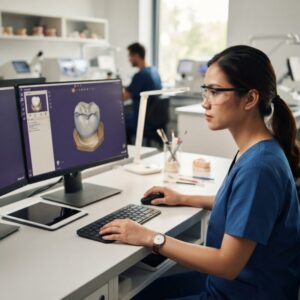
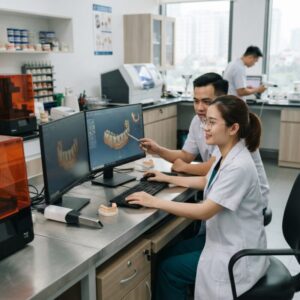
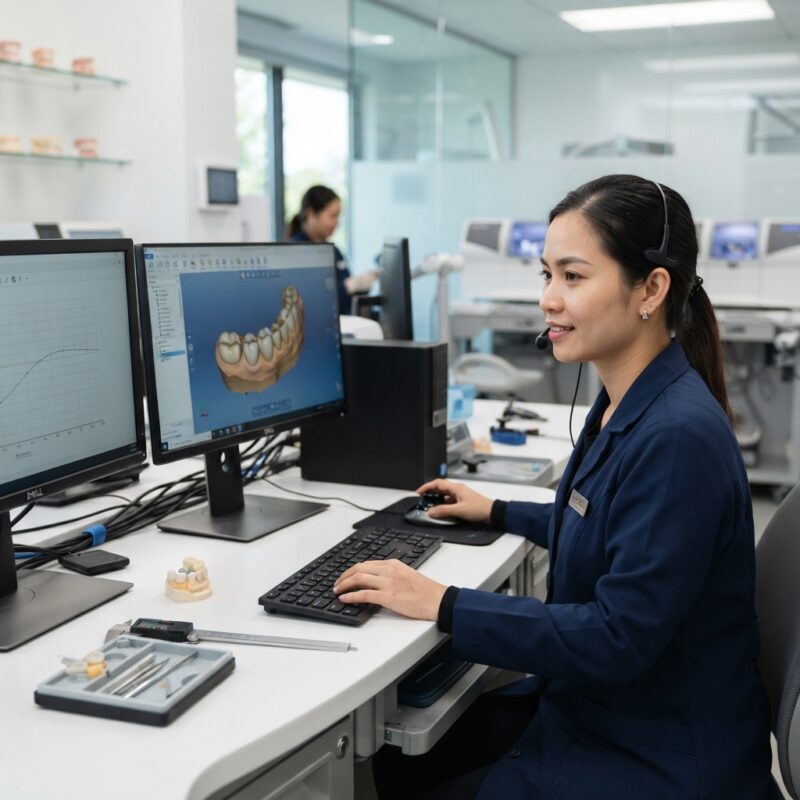
Digital CAD/CAM technology revolutionizes dental lab documentation by creating precise digital models, storing design iterations, and enabling seamless communication between labs and dentists. It facilitates comprehensive audit trails that record every action taken during the design and manufacturing process.
Using software platforms from industry leaders such as 3Shape or exocad, labs can maintain detailed digital records that include 3D scans, design modifications, and manufacturing parameters—making compliance easier and more transparent.
What Are the Best Practices for Documenting Crown & Bridge and Implant Work?
For crown & bridge and implant cases, documentation should include:
- Initial patient and prescription information
- Digital impressions and scan data
- CAD design files with version history
- Material batch numbers and certifications
- Manufacturing logs detailing milling or 3D printing parameters
- Final quality control checklists and photographs
Ensuring these elements are consistently documented supports traceability and quality assurance during audits. Utilizing structured digital folders and metadata tagging can streamline retrieval.
How Can Labs Document Surgical Guides and Orthodontic Appliances Effectively?
Effective documentation of surgical guides and orthodontic appliances requires precise recording of patient anatomy scans, design files, and production protocols. Surgical guides must include pre-operative planning data and post-production validation reports.
Orthodontic aligners and night guards require serial documentation of case progression, including scan data at multiple treatment stages, adjustment records, and material specifications. Employing cloud-based management systems allows secure, centralized access to all related documentation.
How to Document Dental Lab Work for Audits and Inspections in 2026 Using Digital Tools?
How to document dental lab work for audits and inspections in 2026 effectively with digital tools involves implementing a comprehensive digital record-keeping system that integrates with CAD/CAM workflows. This system should capture every step from design to delivery.
Labs should utilize digital management platforms that automatically log changes, user actions, and timestamps. Regular backups, encryption, and multi-factor authentication safeguard data integrity and confidentiality, aligning with compliance mandates.
What Are Common Challenges in Dental Lab Documentation and How to Overcome Them?
Common challenges include inconsistent record formats, lost files, lack of version control, and incomplete material documentation. Overcoming these requires standard operating procedures (SOPs) for documentation, staff training, and adoption of centralized digital platforms.
Regular audits of internal documentation practices help identify gaps before official inspections. Integration with outsourcing partners’ systems ensures cohesive documentation across the supply chain.
How Does Outsourcing CAD/CAM Design Affect Documentation Practices?
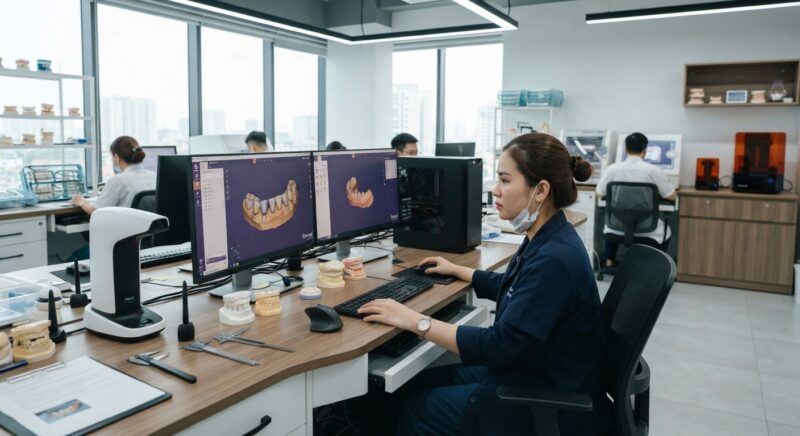
Outsourcing CAD/CAM design introduces complexities in documentation because it requires coordination between the lab, the outsourcing partner, and the dental practice. Labs must establish clear protocols for data exchange, version tracking, and approval workflows.
Maintaining detailed records of communication, file transfers, and revision history is essential. Outsourcing vendors often provide their own documentation systems; labs should ensure compatibility and access to these records to maintain audit readiness.
This approach also works well alongside surgical guide design services, where precise coordination is critical.
What Digital File Formats and Storage Solutions Are Recommended?
Common digital file formats include STL for 3D models, OBJ for detailed meshes, and PDF or XML for reports and prescriptions. It’s crucial to maintain files in formats compliant with regulatory bodies and easily accessible for audits.
Cloud-based storage with encrypted access is recommended for secure, scalable storage. Solutions should support role-based access controls, automatic versioning, and audit logs. Popular platforms integrate with CAD software from vendors like Medit or Dentsply Sirona, enhancing workflow efficiency.
How to Train Staff on Proper Documentation for 2026 Compliance?
Training is essential to ensure all staff understand the importance of thorough documentation and how to use digital tools correctly. Creating detailed SOPs tailored to specific workflows and conducting regular training sessions reinforces best practices.
Using real-world audit scenarios and checklists during training helps staff prepare for inspections. Encouraging a culture of accountability and continuous improvement ensures documentation remains accurate and comprehensive.
How to Document Dental Lab Work for Audits and Inspections in 2026: Final Checklist
To summarize, labs should implement the following checklist to master how to document dental lab work for audits and inspections in 2026:
- Maintain complete digital records for every case, including design files, prescriptions, and materials
- Ensure easy retrieval of records with organized digital filing systems
- Use CAD/CAM software with built-in audit trail capabilities
- Secure data with encryption, backups, and access controls
- Train staff regularly on documentation standards and compliance requirements
- Coordinate documentation protocols with outsourcing partners and dental practices
- Conduct internal audits to identify and fix documentation gaps
Following these steps helps dental labs and DSOs maintain compliance, improve quality control, and reduce risk during audits and inspections.
Conclusion: Preparing for a Seamless Audit with Digital Excellence
Mastering how to document dental lab work for audits and inspections in 2026 requires embracing digital transformation, adhering to regulatory guidelines, and fostering a culture of meticulous record-keeping. Dental labs that implement robust digital documentation systems and workflows will not only ensure compliance but also enhance operational efficiency and client trust.
For more information on leveraging CAD/CAM technology effectively or industry compliance updates, visit authoritative sources like the American Dental Association or explore technology providers such as 3Shape.
Implementing these strategies positions your lab for success in the evolving dental market.
Contact Us to Optimize Your Dental Lab Documentation Today
Implementing a Step-by-Step Documentation Workflow for Dental Labs
Establishing a clear, standardized workflow for documenting dental lab work can significantly enhance compliance and audit readiness. Below is a practical, step-by-step process dental labs and practices can adopt to streamline documentation and ensure completeness.
Step 1: Intake and Case Registration
- Capture Patient and Case Details: Record full patient information, referring dentist details, and case specifics (type of restoration, materials requested, deadlines).
- Assign Unique Case Identifier: Use a systematic coding system to assign a unique identifier for every case to track its progress across departments and documentation.
- Document Prescription: Digitally or physically record the dentist’s prescription, including specific instructions, shade guides, and any special considerations.
Step 2: Digital Design and Manufacturing Documentation
- Save CAD Files with Version Control: Maintain timestamped versions of design files, noting changes and designer initials to ensure traceability.
- Record Material Lot Numbers: Document batch or lot numbers of all materials used (ceramics, alloys, resins) for quality tracking and recall purposes.
- Track Manufacturing Steps: Log each stage of production with timestamps, operator names, and machine settings where applicable.
Step 3: Quality Control and Final Inspection
- Complete QC Checklists: Use standardized checklists to verify fit, aesthetics, and functionality, and digitally record results.
- Photographic Documentation: Capture high-quality images of the finished restoration from multiple angles for audit evidence and case records.
- Record Remedial Actions: Document any adjustments or remakes, including reasons and corrective steps taken.
Step 4: Packaging and Dispatch Documentation
- Log Packaging Details: Note packaging date, contents, and protective measures to ensure safe transportation.
- Record Shipping Information: Include courier details, tracking numbers, and expected delivery dates.
- Confirm Delivery and Receipt: Obtain signed confirmation from the dentist or practice upon delivery and store this digitally.
Step 5: Archiving and Retention
- Organize Digital Files: Store all documents, images, and design files in a secure, searchable database with appropriate backup.
- Maintain Retention Schedule: Follow regulatory guidelines for document retention periods, ensuring records are archived and accessible when required.
- Regular Audits of Documentation: Conduct internal audits periodically to verify completeness and compliance of the documentation process.
Common Mistakes to Avoid When Documenting Dental Lab Work
Even with well-intentioned documentation processes, several common pitfalls can compromise audit readiness and compliance. Being aware of these mistakes helps dental labs proactively improve their record-keeping.
1. Incomplete or Illegible Records
Handwritten notes or incomplete entries can cause confusion during audits. For example, missing material lot numbers or unclear instructions can lead to compliance issues and potential product recalls.
2. Lack of Version Control on Digital Files
Failing to track versions of CAD designs can result in outdated or incorrect restorations being fabricated. This undermines traceability and complicates root cause analysis if problems arise.
3. Neglecting to Document Remakes and Adjustments
When modifications are made post-production, but not recorded, labs lose valuable evidence of quality control and corrective actions, potentially exposing them to liability.
4. Overlooking Material Traceability
Not recording batch or lot numbers for materials used can hinder recalls and quality investigations. This is especially critical for implant components and biocompatible materials.
5. Inconsistent Use of Identifiers and Case Numbers
Using different naming conventions or missing case identifiers can create confusion and disconnect documentation from physical products, risking misplacement or mix-ups.
6. Insufficient Staff Training on Documentation Protocols
Without proper training, staff may not understand the importance of thorough documentation or how to use digital systems effectively, resulting in inconsistent record quality.
Cost and Quality Considerations in Dental Lab Documentation
Balancing cost efficiency with maintaining high-quality documentation is a critical challenge for dental labs and DSOs. Investing in proper documentation upfront can prevent costly compliance failures and litigation.
Investing in Digital Documentation Systems
While implementing advanced digital documentation software and storage solutions involves upfront capital expenditure, the long-term benefits include:
- Reduced Administrative Time: Automated data capture and workflows minimize manual entry, freeing staff for higher-value tasks.
- Improved Accuracy: Digital checklists and mandatory fields reduce errors and missing information.
- Faster Audit Response: Instant retrieval of records accelerates audit completion and reduces potential fines or penalties.
Quality vs. Cost Trade-offs in Documentation Practices
Some labs attempt to cut costs by reducing documentation rigor or relying on paper-based systems, which can lead to:
- Increased Risk of Non-Compliance: Regulatory bodies increasingly expect comprehensive digital records.
- Higher Remake Rates: Lack of detailed documentation impairs root cause analysis, causing repeated errors.
- Potential Legal Exposure: Poor documentation weakens defense in liability claims related to product failures.
Practical tip: Labs should conduct a cost-benefit analysis comparing the investment in documentation systems against the potential costs of compliance failures and lost business.
Leveraging Outsourcing Without Compromising Documentation Quality
When outsourcing CAD/CAM design or manufacturing, it is essential to establish clear documentation standards and communication protocols to maintain quality control:
- Define Documentation Requirements in Contracts: Specify data formats, version control, and traceability expectations.
- Regularly Review Outsourced Documentation: Perform periodic audits of external providers’ records to ensure compliance.
- Integrate Outsourced Data Seamlessly: Use compatible software platforms to merge outsourced files into internal documentation workflows.
Market-Specific Documentation Considerations for Dental Labs and DSOs
Documentation requirements and best practices can vary significantly depending on the geographic market and type of dental practice or laboratory. Understanding these nuances helps tailor documentation strategies effectively.
Regulatory Variations by Region
For example:
- United States: Labs must comply with FDA Medical Device regulations and state dental board requirements, emphasizing traceability and device history records.
- European Union: Compliance with the EU Medical Device Regulation (MDR) requires extensive documentation on device safety, performance, and post-market surveillance.
- Asia-Pacific: Documentation standards may vary widely; some countries are adopting stricter regulations in line with international standards, while others have less prescriptive requirements.
Differences Between Independent Labs and DSO-Affiliated Labs
Dental Service Organizations (DSOs) often implement centralized documentation systems and protocols across multiple practices and labs, which can include:
- Standardized Digital Platforms: Ensuring uniform documentation formats and data sharing across locations.
- Centralized Audit Preparation: Dedicated compliance teams manage documentation review and audit readiness.
- Integrated Patient and Case Data: Linking lab documentation with electronic health records (EHR) for holistic patient care.
Independent labs may have more flexibility but must ensure their documentation meets all regulatory requirements independently.
Considerations for Specialty Labs (e.g., Orthodontics, Implantology)
Specialized labs often face unique documentation challenges due to complex case requirements and multidisciplinary collaboration:
- Orthodontic Labs: Must document treatment plans, appliance specifications, and adjustments over time.
- Implantology Labs: Require meticulous recording of implant component serial numbers, surgical guide parameters, and integration with surgical teams’ documentation.
- Removable Prosthetics Labs: Need detailed records of impressions, model adjustments, and patient feedback cycles.
Tailoring documentation protocols to specialty needs improves audit outcomes and patient safety.
Cost and Quality Considerations in Dental Lab Documentation
Balancing cost efficiency with high-quality documentation is a critical concern for dental labs and practices aiming to meet audit standards while maintaining profitability. Understanding the financial implications and quality benchmarks of documentation processes can help labs optimize their workflows without compromising compliance.
Investing in Digital Documentation Systems
Modern documentation relies heavily on digital recordkeeping, which involves upfront costs for software licenses, hardware (such as scanners and servers), and staff training. However, these investments often pay off by reducing errors, speeding up case processing, and simplifying audit preparation.
- Cost Factors: Initial setup costs can range from a few thousand dollars for basic systems to tens of thousands for advanced integrated CAD/CAM and document management solutions.
- Quality Impact: Digital systems improve legibility, ensure version control, and enable quick retrieval of case histories, directly enhancing the accuracy and completeness of documentation.
Material Traceability and Its Financial Implications
Traceability of materials used in dental restorations is not only a regulatory requirement but also a quality assurance measure that impacts cost control.
- Maintaining detailed records of batch numbers, suppliers, and expiry dates helps reduce wastage and prevents costly recalls or remakes due to defective materials.
- Implementing barcode scanning or RFID tagging can automate this process, though it requires investment in compatible technology.
Cost-Saving Strategies Without Compromising Documentation Quality
- Leverage cloud-based documentation systems to reduce IT infrastructure costs and improve disaster recovery capabilities.
- Adopt standardized templates and checklists to minimize time spent on record creation and reduce the risk of missing critical data.
- Train staff regularly to ensure efficient use of documentation tools, reducing errors that lead to costly rework.
Market-Specific Documentation Challenges and Solutions
Dental labs and practices operate in varied markets with different regulatory landscapes, patient demographics, and technological adoption rates. Tailoring documentation practices to meet these market-specific nuances is essential for compliance and operational efficiency.
Documentation in Emerging Markets
In developing regions, dental labs may face challenges such as limited access to advanced digital tools, inconsistent internet connectivity, and varying regulatory enforcement.
- Practical solutions include using hybrid documentation methods combining paper and digital records to ensure reliability.
- Focus on robust manual checklists and training to compensate for the lack of fully integrated digital systems.
- Gradual investment in affordable digital tools can improve documentation over time without overwhelming resources.
Regulatory Variations Across Regions
Different countries or states may have unique documentation requirements for dental labs, including retention periods, data privacy rules, and certification standards.
- Conduct regular compliance audits tailored to local regulations.
- Maintain a master compliance matrix that tracks applicable rules for each market you serve.
- Develop region-specific SOPs (Standard Operating Procedures) for documentation to ensure all staff understand localized requirements.
Adapting to Large vs. Small Lab Environments
Large dental labs often have dedicated quality management teams and sophisticated IT infrastructures, while small labs may rely on multitasking staff and simpler recordkeeping systems.
- Large labs should implement layered documentation controls, including automated audit trails and cross-departmental reviews.
- Small labs can benefit from streamlined, easy-to-use documentation templates and checklists that minimize administrative burdens.
- Both environments must focus on thorough training to maintain consistency regardless of scale.
Step-by-Step Real-World Example: Documenting a Complex Implant Case
To illustrate practical documentation workflows, here is a detailed example of documenting a complex implant restoration from start to finish, highlighting key points for audits and inspections.
Step 1: Case Intake and Patient Information
- Record patient demographics, medical history, and referral details in the lab management system.
- Obtain and archive signed consent forms and treatment plans from the dental practice.
- Assign a unique case ID that links all subsequent documentation.
Step 2: Digital Scan and Design Documentation
- Store STL or DICOM files from intraoral scans or CBCT imaging with metadata including date, operator, and device used.
- Document software version and design parameters within the CAD system.
- Save screenshots or design export files to demonstrate design iterations and approvals.
Step 3: Material and Manufacturing Records
- Log batch numbers and supplier details for all materials – abutments, screws, ceramics, and metals.
- Record manufacturing machine settings, calibration data, and operator details.
- Include photographs of intermediate stages (e.g., milled frameworks, sintered components).
Step 4: Quality Control and Fit Verification
- Document results from internal fit checks, occlusion verification, and esthetic evaluations.
- Record any adjustments, remakes, or additional patient consultations with timestamps.
- Include sign-offs from quality control personnel.
Step 5: Packaging, Shipping, and Delivery Confirmation
- Generate shipping logs with courier details, tracking numbers, and condition notes.
- Obtain delivery acknowledgments from the dental practice, either digitally or on paper.
- Archive all documents in a centralized system for easy retrieval during audits.
Checklist for Maintaining Audit-Ready Dental Lab Documentation
Maintaining consistently audit-ready documentation requires ongoing diligence and adherence to best practices. The following checklist helps labs track critical tasks and avoid common pitfalls:
- Case Registration: Unique ID assigned, patient and dentist details recorded, consent forms obtained.
- Digital Files: Scans and designs saved in approved formats, version control implemented, software details logged.
- Material Traceability: Batch numbers, supplier info, expiration dates documented and linked to cases.
- Manufacturing Records: Machine settings, operator logs, calibration records maintained.
- Quality Control: Inspection results, fit checks, adjustment details, and sign-offs completed.
- Remake Documentation: Reasons for remakes recorded with timestamps and corrective actions noted.
- Shipping and Delivery: Packaging condition, tracking info, and delivery confirmation documented.
- Archiving: Records securely stored, easily searchable, and retained according to regulatory requirements.
- Staff Training: Regular training sessions held, attendance tracked, and competency assessments conducted.
- Audit Preparation: Periodic internal audits conducted, discrepancies addressed promptly, and documentation updated accordingly.
Ready to streamline how to document dental lab work for audits and inspections in 2026? Contact us to learn how our CAD/CAM digital design outsourcing can help you stay compliant and efficient.