The Evolution of Dental Lab Management
The dental laboratory industry has undergone a seismic shift in the last decade. What was once a purely analog process involving physical impressions and manual workflows has transformed into a highly digital ecosystem. This transition has brought immense benefits in terms of speed and precision, but it has also introduced new complexities in managing case flow. As we move deeper into the mid-2020s, the need for robust digital solutions has never been more critical. Labs are handling higher volumes of cases with greater complexity, ranging from simple restorations to full-mouth rehabilitations. To manage this effectively, organizations are turning to specialized tools that provide visibility and control.
One of the most significant developments in this space is the emergence of sophisticated case tracking systems. These systems are no longer just about logging a case number; they are comprehensive platforms that integrate with design software, shipping logistics, and client portals. The market for these tools is evolving rapidly to meet the demands of modern dental practices and large dental service organizations. Understanding the capabilities of case tracking software for dental labs 2026 is essential for any lab looking to scale effectively.
When a laboratory adopts a new system, it impacts every employee from the front desk to the technician. The goal is to reduce friction in the workflow. Friction leads to errors, and errors lead to remakes. Remakes are the silent killer of profitability in the dental lab industry. By implementing a robust tracking solution, labs can identify bottlenecks before they become costly mistakes. This proactive approach is what separates leading labs from the rest of the pack in the competitive landscape of 2026.
What is case tracking software for dental labs 2026?
It is a specialized digital platform designed to monitor every stage of a dental case from prescription to delivery.
This definition encompasses a wide range of functionalities that go beyond simple status updates. The software acts as the central nervous system for the laboratory. It connects the intake department with the design center, the milling station, and the quality control team. Every time a case moves from one station to another, the system records the timestamp and the operator responsible. This creates an immutable audit trail that is invaluable for troubleshooting and performance analysis.
In the context of case tracking software for dental labs 2026, the integration capabilities are paramount. Modern systems do not exist in a vacuum. They must talk to the CAD software used by the designers and the ERP systems used by the administration. This interoperability ensures that data flows seamlessly without manual entry. Manual entry is a primary source of human error. By automating the data transfer, the software ensures that the prescription details match the design files perfectly.
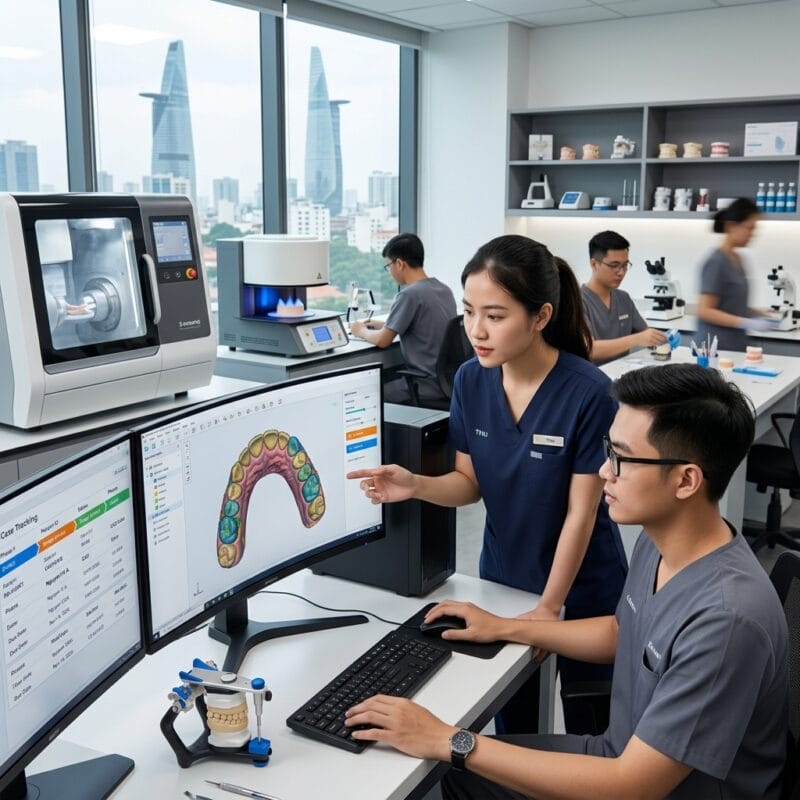
The user interface of these systems has also evolved significantly. Gone are the days of clunky, text-heavy screens. Today’s interfaces are visual and intuitive. Users can see a visual representation of the case progress. Color-coded indicators show if a case is on time, at risk, or overdue. This visual management approach allows managers to make quick decisions based on real-time data. It empowers the team to focus on production rather than administrative overhead.
Key Components of a Modern Tracking System
To understand the value proposition, one must look at the core components that make up the software. The first component is the intake module. This is where prescriptions and digital scans are received. The system automatically parses the data and assigns a unique case ID. This ID is used throughout the entire lifecycle of the case. It ensures that no information is lost during handoffs between departments.
The second component is the production scheduler. This module uses algorithms to assign work based on technician skill level and current workload. It balances the load to prevent burnout and ensure deadlines are met. For example, complex implant cases might be routed to senior technicians, while routine crowns go to junior staff. This optimization is crucial for maintaining high quality standards across all case types.
The third component is the client portal. This allows dentists and their staff to check the status of their cases without calling the lab. They can see exactly where the case is in the process. They can also upload additional notes or images if needed. This transparency builds trust and reduces the number of status inquiry calls. It frees up the lab staff to focus on actual production work.
The fourth component is the analytics engine. This aggregates data from all other modules to provide insights. It can show which types of cases take the longest to complete. It can identify which technicians have the highest remake rates. It can track inventory levels for materials like zirconia or wax. These insights allow management to make data-driven decisions to improve efficiency and reduce costs.
How does case tracking software for dental labs 2026 improve efficiency?
It streamlines workflows by automating status updates and reducing manual administrative tasks.
Efficiency is the currency of the dental lab. Every minute saved in administration is a minute gained for production. Without automated tracking, staff must manually update spreadsheets or whiteboards. This is time-consuming and prone to error. With the right software, updates happen automatically as files move through the digital pipeline. When a design file is finalized, the system automatically moves the case to the next stage.
This automation extends to communication as well. The software can send automated notifications to the client when a case is ready for shipping. It can also send internal alerts if a case is approaching its deadline. This proactive communication prevents surprises. It ensures that everyone is on the same page regarding expectations. For DSOs managing multiple locations, this consistency is vital for maintaining brand standards.
The impact on turnaround time is measurable. Labs using advanced tracking solutions often report significant reductions in average turnaround time. This is because bottlenecks are identified immediately. If a specific machine is causing delays, the data will show it. Management can then address the issue before it affects too many cases. This agility allows labs to promise faster delivery times to their clients.
Furthermore, efficiency gains lead to cost savings. When administrative time is reduced, the cost per case decreases. This improves the profit margin for the lab. In a competitive market, these margins can be the difference between success and failure. Investing in case tracking software for dental labs 2026 is not just an operational expense; it is a strategic investment in the future of the business.
Integrating with CAD and CAM Workflows
The true power of tracking software lies in its integration with design and manufacturing tools. Most modern dental labs use CAD software like Exocad or 3Shape. The tracking system must be able to read the metadata from these files. This allows it to know what type of restoration is being designed without manual input.
When a design is completed, the software can trigger the next step automatically. For example, it can send the STL file to the milling machine or the 3D printer. It can also log the time taken for the design phase. This data is critical for understanding the true cost of production. It helps in pricing cases accurately to ensure profitability.
Integration also ensures quality control. The system can flag cases that do not meet specific design parameters. It can require a secondary review before a case is marked as complete. This ensures that only high-quality work reaches the dentist. It protects the reputation of the lab and reduces the risk of clinical failures.
For outsourcing partners, this integration is even more critical. When a lab outsources design work, the tracking system must bridge the gap between the internal team and the external vendor. It must provide visibility into the external workflow just as it does for internal work. This seamless connection ensures that the client sees a unified process regardless of where the work is physically performed.
Specialized Tracking for Different Case Types
Different restorations require different tracking parameters and quality checks. A simple crown might need fewer checkpoints than a complex full-mouth reconstruction. The software must be flexible enough to handle these variations.
For crown and bridge cases, the focus is on marginal fit and occlusion. The tracking system can log the verification steps taken by the technician. It can record if a digital scan was used for verification or if a physical model was required. This level of detail helps in standardizing the quality process across the lab.
Implant cases are even more complex. They involve precise planning and often require surgical guides. The tracking system must manage the relationship between the implant case and the surgical guide case. It ensures that the guide is ready before the implant case is finalized. This coordination is essential to avoid surgical delays.
Dentures require a different approach. They involve multiple try-in appointments and adjustments. The software tracks the history of these adjustments. It ensures that the lab has all the necessary information to make the final prosthesis. This historical data is valuable for improving the fit of future dentures.
Orthodontic aligners have their own unique workflow. They involve large volumes of cases and strict staging requirements. The tracking system must manage the sequence of trays for each patient. It ensures that the correct tray is produced for the correct stage of treatment. This precision is necessary for the success of the orthodontic outcome.
Night guards and splints are generally simpler but still require accurate tracking. The system ensures that the prescription details regarding thickness and material are followed. It logs the milling or printing process to ensure durability. These smaller cases add up in volume, so efficiency here contributes significantly to overall throughput.
Benefits for Dental Service Organizations
DSOs operate at a scale that requires centralized management. They have multiple labs or partner labs across different regions. Consistency is key to their business model. Tracking software provides the visibility needed to manage this network effectively.
With a centralized dashboard, DSO leadership can see the performance of all labs in real-time. They can compare turnaround times, remake rates, and customer satisfaction scores. This data allows them to identify underperforming locations and provide targeted support. It also allows them to reward high-performing labs with more case volume.
Standardization is another major benefit. DSOs can enforce specific workflows and quality standards across all locations. The software can be configured to require specific steps before a case can be marked as complete. This ensures that every patient receives the same level of care regardless of which lab handles their case.
Financial reporting is also simplified. The software aggregates billing data from all locations. This makes it easier to reconcile accounts and manage cash flow. It provides a clear picture of the financial health of the entire organization. This clarity is essential for strategic planning and growth.
Ultimately, case tracking software for dental labs 2026 empowers DSOs to scale without losing control. It provides the infrastructure needed to support rapid expansion. It ensures that growth does not come at the expense of quality or efficiency.
Security and Compliance Considerations
Handling patient data requires strict adherence to security standards. The software must be HIPAA compliant to protect patient information. This includes encrypting data both in transit and at rest. It also includes implementing strict access controls to ensure only authorized personnel can view sensitive data.
Regular audits are necessary to maintain compliance. The software should provide logs of who accessed what data and when. These logs are essential for demonstrating compliance during audits. They also help in investigating any potential security incidents.
Data backup and disaster recovery are also critical. The system must have redundant backups to prevent data loss in case of hardware failure. It should also have a plan for restoring operations quickly in the event of a disaster. This ensures business continuity even in adverse conditions.
Vendor security is another consideration. Labs must ensure that the software provider follows best practices for security. This includes regular security updates and vulnerability patching. Labs should ask for security certifications and documentation before signing a contract.
Future Trends in Dental Lab Technology
The technology landscape is constantly evolving. Artificial intelligence is becoming more integrated into dental workflows. The tracking software of the future will use AI to predict case completion times more accurately. It will be able to suggest optimizations to the workflow based on historical data.
Automation will also play a larger role. Robots are already being used in some labs for sorting and packaging. The tracking system will coordinate with these robots to ensure smooth handoffs. This will further reduce the need for manual intervention and increase speed.
Remote work is another trend. Technicians may work from home in the future. The tracking software must support this by allowing secure access from any location. It must ensure that remote work does not compromise security or quality.
As we look towards 2026 and beyond, the role of case tracking software for dental labs 2026 will only grow. It will become the central hub for all lab operations. It will drive innovation and efficiency in ways we are just beginning to understand.
Choosing the Right Software for Your Lab
With many options available, selecting the right system can be challenging. Labs should start by defining their specific needs. They should consider their current workflow and identify pain points. This will help in prioritizing features during the selection process.
Scalability is another important factor. The software should be able to grow with the lab. It should handle increased case volumes without performance degradation. It should also support new case types and services as the lab expands its offerings.
Support and training are critical for success. The vendor should provide comprehensive training for all staff. They should also offer responsive technical support to resolve issues quickly. Poor support can lead to frustration and adoption failure.
Cost is always a consideration. Labs should look at the total cost of ownership, not just the initial price. This includes maintenance fees, training costs, and any hardware requirements. The return on investment should be clear and measurable.
Finally, check for compatibility. The software must work with your existing hardware and software. Ask for a demo to see how it fits into your daily routine. A system that is easy to use will see higher adoption rates among staff.
Real-World Implementation Strategies
Implementing new software requires careful planning. It is best to roll it out in phases. Start with a pilot group to test the system. Gather feedback and make adjustments before a full launch. This reduces the risk of disruption to daily operations.
Communication is key during implementation. Staff need to understand why the change is happening. They need to see the benefits for their own work. Leadership should champion the change and encourage adoption. Resistance is natural but can be overcome with clear communication.
Monitoring the implementation is also necessary. Track usage metrics to ensure everyone is using the system correctly. Provide additional training if needed. Celebrate successes to reinforce the value of the new system.
Once implemented, continuous improvement is essential. Regularly review the data provided by the software. Look for areas where the process can be optimized. The software should be a tool for growth, not just a static record of activity.
The journey to digital transformation is ongoing. Labs that embrace these tools will be better positioned for success. They will be able to offer faster service and higher quality. They will also be able to manage their business more effectively.
By focusing on case tracking software for dental labs 2026, labs can secure their place in the future of dentistry. This technology is not just a convenience; it is a necessity for modern practice. It enables labs to meet the demands of today and tomorrow.
As you evaluate your options, remember that the goal is to improve the patient experience. Every efficiency gain translates to a better outcome for the patient. Every reduction in errors translates to a safer treatment. This is the ultimate value of investing in the right technology.
For further information on industry standards, you can visit the American Dental Association.
Also, consider how these systems integrate with major design platforms like those offered by 3Shape.
To learn more about optimizing your workflow, explore our guide on digital crown design services.
Our team is ready to help you implement these solutions effectively.
Contact us today to discuss how we can streamline your lab operations and boost efficiency.
Let us help you achieve your business goals with the right technology.