Understanding the Financial Landscape for New Dental Labs
Starting a new dental laboratory is a significant entrepreneurial endeavor that requires careful financial planning and strategic foresight. As we approach the mid-2020s, the economic environment for dental service organizations and independent lab owners has shifted dramatically due to inflation, supply chain volatility, and rapid technological advancements. One of the most critical questions facing potential entrepreneurs today is the cost to open a dental laboratory in 2026. This figure is not static; it fluctuates based on location, equipment choices, and the scope of services offered. Understanding these variables is essential for anyone looking to enter the market or expand existing operations. The traditional model of building a fully equipped physical facility involves substantial upfront capital expenditure that many new entrants find prohibitive. Consequently, many are exploring alternative business models that prioritize flexibility and scalability over heavy asset ownership. This shift is particularly evident in the digital design sector, where software and remote collaboration are replacing some physical machinery needs. By analyzing the cost to open a dental laboratory in 2026, we can identify where costs are concentrated and where savings can be realized through modern operational strategies.
The landscape of dental manufacturing is evolving rapidly, driven by the adoption of digital workflows and additive manufacturing technologies. These changes impact the total investment required to launch a competitive facility. For instance, the need for physical casting equipment has diminished as milling and 3D printing become standard. However, the cost of digital scanners and design software has increased. This trade-off changes the financial equation for new labs. When calculating the cost to open a dental laboratory in 2026, one must account for these technological shifts. It is no longer just about rent and basic tools; it is about high-precision digital infrastructure. The barrier to entry for high-quality production has lowered in some areas but risen in others due to software licensing and training requirements. Therefore, a comprehensive budget must reflect the current state of digital dentistry. Ignoring these modern requirements can lead to a facility that is obsolete before it opens. We must look at every line item to understand the true cost to open a dental laboratory in 2026.
Furthermore, regulatory compliance and environmental standards add another layer of financial complexity to opening a new lab. Waste management, air filtration, and safety protocols require investment that varies by region. These costs are often overlooked in initial projections but can significantly impact the bottom line. For example, proper ventilation systems for milling dust or chemical vapors are mandatory in many jurisdictions. The cost to open a dental laboratory in 2026 must include these compliance measures to avoid fines or operational shutdowns. Additionally, insurance premiums for liability and property are rising across the healthcare sector. These recurring costs affect the long-term viability of the lab. Entrepreneurs must factor in ongoing operational expenses, not just initial setup costs. A realistic financial model will account for the first year of operations to ensure cash flow stability. This is crucial when evaluating the cost to open a dental laboratory in 2026 against potential revenue streams. Without adequate capital reserves, even a well-planned lab can struggle to survive the initial ramp-up period.
What is the Real Cost to Open a Dental Laboratory in 2026?
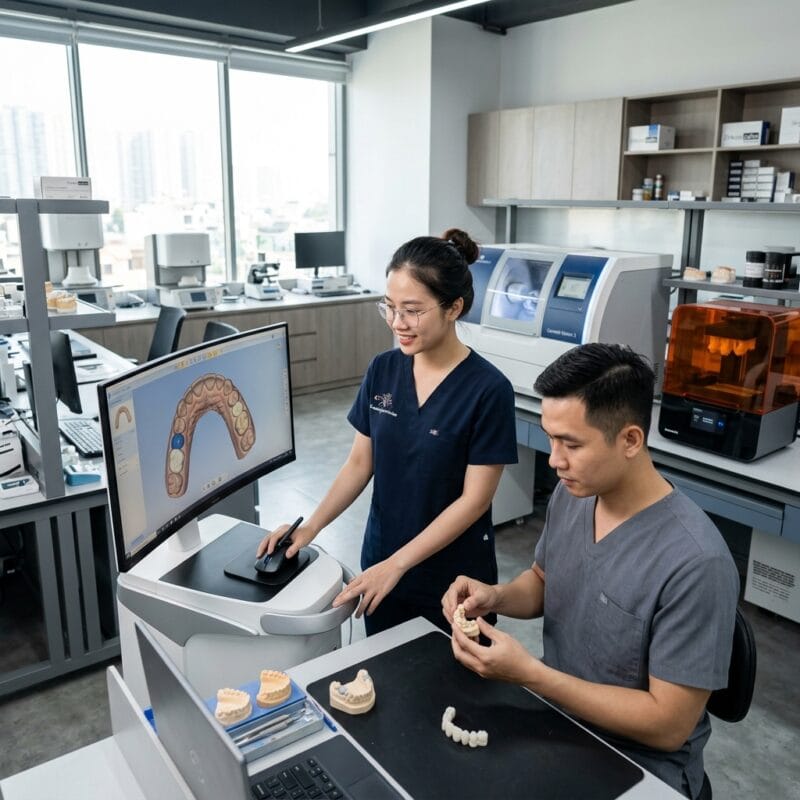
The real cost involves equipment, software, space, staffing, and compliance fees combined. When breaking down the cost to open a dental laboratory in 2026, the largest expenses typically fall into capital equipment and facility setup. A standard setup might include a 3D scanner, a milling machine, a sintering furnace, and a 3D printer for surgical guides or models. Individually, these machines can range from tens of thousands to hundreds of thousands of dollars. High-end scanners alone can cost upwards of $30,000 to $50,000 depending on the brand and capabilities. Milling units vary widely, with 5-axis machines commanding higher prices than 3-axis models. The cost to open a dental laboratory in 2026 also includes the necessary consumables and maintenance contracts for these devices. Maintenance is often an annual recurring cost that must be budgeted alongside the purchase price. If a machine breaks down, the downtime can halt production and lose revenue. Therefore, service agreements are a non-negotiable part of the financial plan.
Software licenses represent another major component of the total investment required. Design software such as CAD platforms requires subscription fees or perpetual licenses that can be expensive. Some vendors charge per seat, meaning every designer needs a license. This scales the cost based on team size. The cost to open a dental laboratory in 2026 must account for these software subscriptions which are often annual. Additionally, integration with practice management systems or cloud storage solutions adds to the monthly overhead. Data security is paramount in healthcare, so investing in secure servers or cloud infrastructure is necessary. These digital assets are as critical as physical machinery in a modern lab. Neglecting software budgeting can lead to workflow bottlenecks or security vulnerabilities. When assessing the cost to open a dental laboratory in 2026, do not underestimate the recurring nature of software costs. They are essential for maintaining competitive design quality and efficiency.
Facility costs include rent, utilities, and renovations to meet lab standards. A commercial space suitable for a dental lab requires specific zoning and often significant build-out work. Plumbing for washing stations, electrical upgrades for heavy machinery, and ventilation systems are common requirements. The cost to open a dental laboratory in 2026 will vary significantly by geographic location. Urban centers command higher rents but offer better access to clients and staff. Rural areas may have lower overhead but limited talent pools. Renovation costs can be unpredictable, especially in older buildings. It is wise to hire a contractor experienced in medical or dental lab construction. They can identify potential issues before they become costly repairs. Utilities such as electricity and water are higher for labs due to equipment usage. These operational expenses contribute to the monthly burn rate. Understanding the cost to open a dental laboratory in 2026 requires a detailed look at the physical space requirements.
How Does Outsourcing Compare to In-House Design?
Outsourcing design converts fixed capital costs into variable operational costs. When comparing the cost to open a dental laboratory in 2026 with outsourcing, the financial difference is stark. In-house design requires hiring skilled technicians, providing workstations, and managing design software licenses. Outsourcing eliminates the need for full-time design staff for every case. Instead, you pay per case or on a subscription basis. This reduces the risk associated with staffing fluctuations. If case volume drops, your outsourcing costs drop with it. With in-house staff, you still pay salaries regardless of volume. The cost to open a dental laboratory in 2026 often includes a buffer for slow months. Outsourcing removes much of this risk. It allows labs to focus on production and customer service rather than design management. Many successful DSOs use a hybrid model where core cases are done in-house and overflow is outsourced. This flexibility is valuable in a changing market.
Quality control is a common concern when considering outsourcing. However, reputable partners maintain high standards through rigorous training and quality assurance protocols. They often use the same software platforms as in-house teams, ensuring compatibility. The cost to open a dental laboratory in 2026 includes training staff on new software updates. Outsourcing partners handle their own training, passing that expertise to you. This means you benefit from the latest design trends without investing in R&D. Furthermore, outsourcing partners often specialize in specific restorations like implants or aligners. This specialization can lead to higher accuracy and fewer remakes. Remakes are costly in terms of materials and time. By reducing remakes, outsourcing can lower the effective cost per case. When evaluating the cost to open a dental laboratory in 2026, consider the hidden costs of poor quality. Outsourcing can mitigate these risks through established workflows.
Breaking Down the Equipment and Software Budget
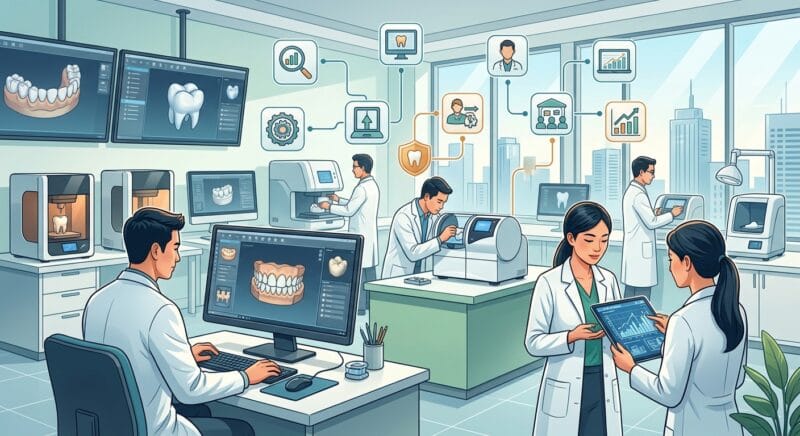
To accurately estimate the cost to open a dental laboratory in 2026, one must itemize every piece of hardware and software. Let us start with the intraoral scanner. This device is the gateway to digital impressions. High-quality scanners ensure accurate data transfer to the design team. Prices range from $15,000 to over $100,000 depending on features like AI assistance or color capture. For a new lab, a mid-range scanner might suffice initially. However, compatibility with major design platforms is key. If you plan to use digital crown design services, ensure your scanner exports compatible file types. This prevents workflow interruptions. Next, consider the milling machine. A 5-axis milling unit is standard for high-volume production. It allows for complex geometries and better material utilization. The cost to open a dental laboratory in 2026 will reflect the price of these advanced machines. Some vendors offer financing options which can ease the initial cash burden. Always factor in the cost of burs, coolant, and maintenance kits.
3D printing technology is essential for models, surgical guides, and temporary restorations. Printers vary in resolution and build volume. A high-resolution printer for clear aligners is different from one for casting models. The cost to open a dental laboratory in 2026 must include the printer, resins, and post-processing equipment like wash and cure units. Resins are consumables that need regular restocking. Post-processing is labor-intensive if done manually. Automated systems exist but add to the equipment cost. Software for design is the next critical item. CAD software licenses can be purchased outright or via subscription. Subscriptions are becoming more common as they include updates and support. The cost to open a dental laboratory in 2026 includes these recurring fees. Some labs use cloud-based design tools which reduce local hardware needs. This can lower the cost of workstations but increases internet bandwidth requirements. Ensure your network infrastructure supports large file transfers.
Investing in a robust IT infrastructure is often overlooked but vital. Secure servers or cloud storage protect patient data and design files. Data breaches can lead to legal issues and loss of trust. The cost to open a dental laboratory in 2026 should include cybersecurity measures like firewalls and encryption. Regular backups are necessary to prevent data loss. If a hard drive fails, you lose patient data. This is unacceptable in a medical environment. Therefore, redundancy is key. You might need multiple drives or a cloud backup service. This adds to the monthly IT budget. When planning the cost to open a dental laboratory in 2026, do not skip the IT section. It supports every other function in the lab. Without reliable technology, production stops. Modern labs rely on connectivity for everything from order entry to shipping.
Why Choose Digital Design Outsourcing for Growth?
Outsourcing allows labs to scale production without proportional increases in overhead. When analyzing the cost to open a dental laboratory in 2026, the scalability of outsourcing is a major advantage. A physical lab has a limit on how many cases it can produce based on machine capacity and staff hours. Outsourcing partners can absorb spikes in volume instantly. This ensures that you never turn down work due to capacity constraints. It also allows you to test new markets without investing in new equipment. For example, if you want to offer surgical guides, you can partner with a specialist rather than buying a new printer. The cost to open a dental laboratory in 2026 is reduced by this flexibility. You pay only for what you use. This variable cost structure improves cash flow management. It is easier to predict monthly expenses when they are tied to case volume.
Access to specialized expertise is another benefit of outsourcing. Some restorations require specific skills that are rare. Implant planning or complex orthodontics often need high-level design knowledge. Training staff to this level takes time and money. Outsourcing partners often have teams dedicated to these specialties. They stay updated on the latest techniques and materials. This expertise is available to you without the training cost. The cost to open a dental laboratory in 2026 includes training budgets. Outsourcing effectively outsources this training cost. You get the benefit of their experience. This can lead to better clinical outcomes for dentists. Satisfaction with the lab increases when cases are accurate. This leads to repeat business. When calculating the cost to open a dental laboratory in 2026, consider the value of expertise. Outsourcing provides access to top-tier talent on demand.
Staffing and Training Expenses in 2026
Human resources are a significant part of the operational budget. Skilled dental technicians are in high demand and command competitive salaries. The cost to open a dental laboratory in 2026 must account for wages, benefits, and payroll taxes. In many regions, there is a shortage of qualified designers and technicians. This drives up labor costs. Recruitment can be time-consuming and expensive. You may need to offer signing bonuses or higher salaries to attract talent. Once hired, these employees require onboarding. Training them on your specific workflows and software takes time. During this period, they are not fully productive. The cost to open a dental laboratory in 2026 includes these ramp-up costs. Continuous education is also necessary as technology evolves. You must budget for courses and certifications to keep staff skills current.
Outsourcing reduces the burden of hiring and training design staff. You do not need to employ designers if you outsource the design work. This frees up your budget for production staff or sales. It allows you to focus on quality control and customer relationships. The cost to open a dental laboratory in 2026 is lower when you minimize headcount. However, you still need quality assurance staff to check outsourced work. These staff members ensure that designs meet your standards. They act as the bridge between your lab and the outsourcing partner. This role is critical for maintaining reputation. If an outsourced case fails, it reflects on your lab. Therefore, investing in a good QA team is essential. The cost to open a dental laboratory in 2026 should reflect the value of a robust QA process. It protects your brand and ensures customer satisfaction.
How Does Outsourcing Reduce Capital Expenditure?
Outsourcing converts large upfront investments into manageable operating expenses. When considering the cost to open a dental laboratory in 2026, this conversion is financially beneficial. Instead of spending hundreds of thousands on machines, you pay a fee per case. This preserves cash for other business needs like marketing or rent. It reduces the risk of equipment obsolescence. Technology changes quickly, and machines can lose value fast. Outsourcing partners update their equipment regularly. You do not need to worry about upgrading your own machines every few years. The cost to open a dental laboratory in 2026 is lower because you avoid these upgrade cycles. You stay current with technology through your partner. This is a strategic advantage for smaller labs. It allows them to compete with larger facilities that have more capital.
Additionally, outsourcing reduces the need for physical space. Design workstations take up square footage. By outsourcing design, you need less office space. This lowers rent and utility costs. The cost to open a dental laboratory in 2026 includes rent based on total square footage. Reducing this space directly lowers monthly overhead. You can use the saved space for production or storage. Alternatively, you can choose a smaller location entirely. This flexibility is valuable in high-cost urban areas. It also simplifies facility management. Fewer machines mean less maintenance and cleaning. This reduces the workload on facility staff. The cost to open a dental laboratory in 2026 is optimized when you minimize physical footprint. Outsourcing supports this lean approach to lab management. It aligns costs with revenue more effectively.
ROI Analysis and Long-Term Viability
Calculating return on investment is critical for sustainable growth. When you evaluate the cost to open a dental laboratory in 2026, you must project future revenue. A high upfront cost requires high volume to break even. Outsourcing lowers the break-even point. You start profitable sooner because your fixed costs are lower. This allows you to reinvest profits into growth. You can market more aggressively or improve production quality. The cost to open a dental laboratory in 2026 is a barrier to entry. Lowering this barrier through outsourcing increases the chances of success. It reduces the time to profitability. This is important for securing loans or investor funding. Lenders prefer businesses with lower risk and faster ROI. Outsourcing can make your business plan more attractive.
Long-term viability depends on adaptability. The dental industry changes rapidly. New materials and techniques emerge constantly. A lab with heavy fixed assets may struggle to pivot. Outsourcing provides agility. You can shift focus to new product lines quickly. For example, moving from traditional crowns to zirconia or hybrid dentures. The cost to open a dental laboratory in 2026 includes the risk of obsolescence. Outsourcing mitigates this risk. You can adapt your service offering without buying new machines. This keeps your lab relevant. It also allows you to test new ideas with minimal investment. If a new service does not work, you stop outsourcing it without losing capital. This flexibility ensures long-term survival in a competitive market. The cost to open a dental laboratory in 2026 should be viewed through the lens of adaptability.
Conclusion and Next Steps
The decision to open a dental lab involves weighing significant financial risks against potential rewards. Understanding the cost to open a dental laboratory in 2026 is the first step toward a successful launch. Outsourcing offers a compelling alternative that reduces capital needs and increases operational flexibility. It allows you to focus on your core strengths while leveraging external expertise for design. This model is increasingly popular among DSOs and independent labs alike. By adopting this approach, you can navigate the economic challenges of the current market more effectively. The cost to open a dental laboratory in 2026 does not have to be a barrier if you choose the right strategy. Digital outsourcing provides the tools you need to compete and grow. We invite you to contact us to discuss how our services can support your lab’s financial and operational goals.